The Recovery Place Sober Living Charlotte
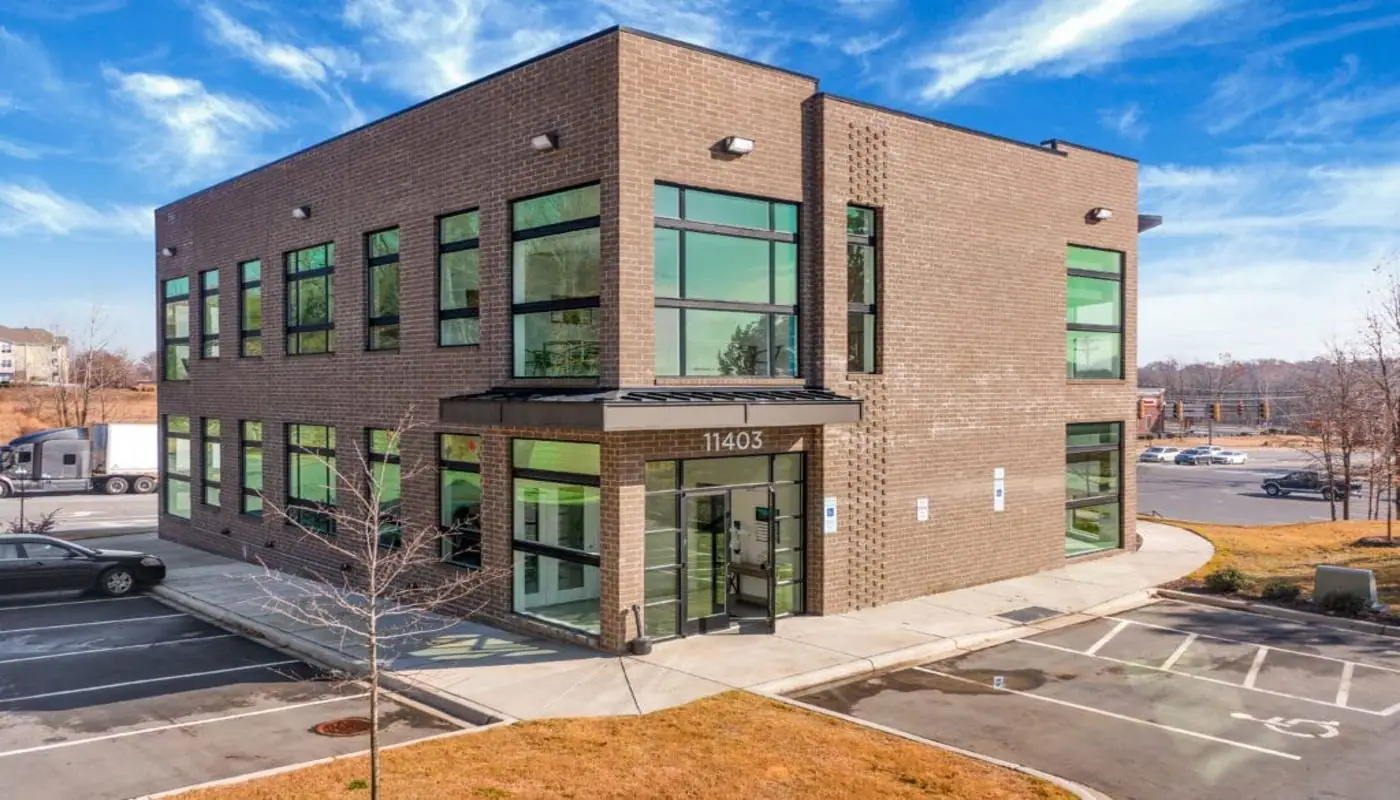
The Recovery Place Sober Living Charlotte is a men's house on Lawton Bluff Road. North Carolina has 430 SAMHSA-listed facilities, and this is one sober living option. Below is what the program asks of residents.
- Sober Living
- 30 days
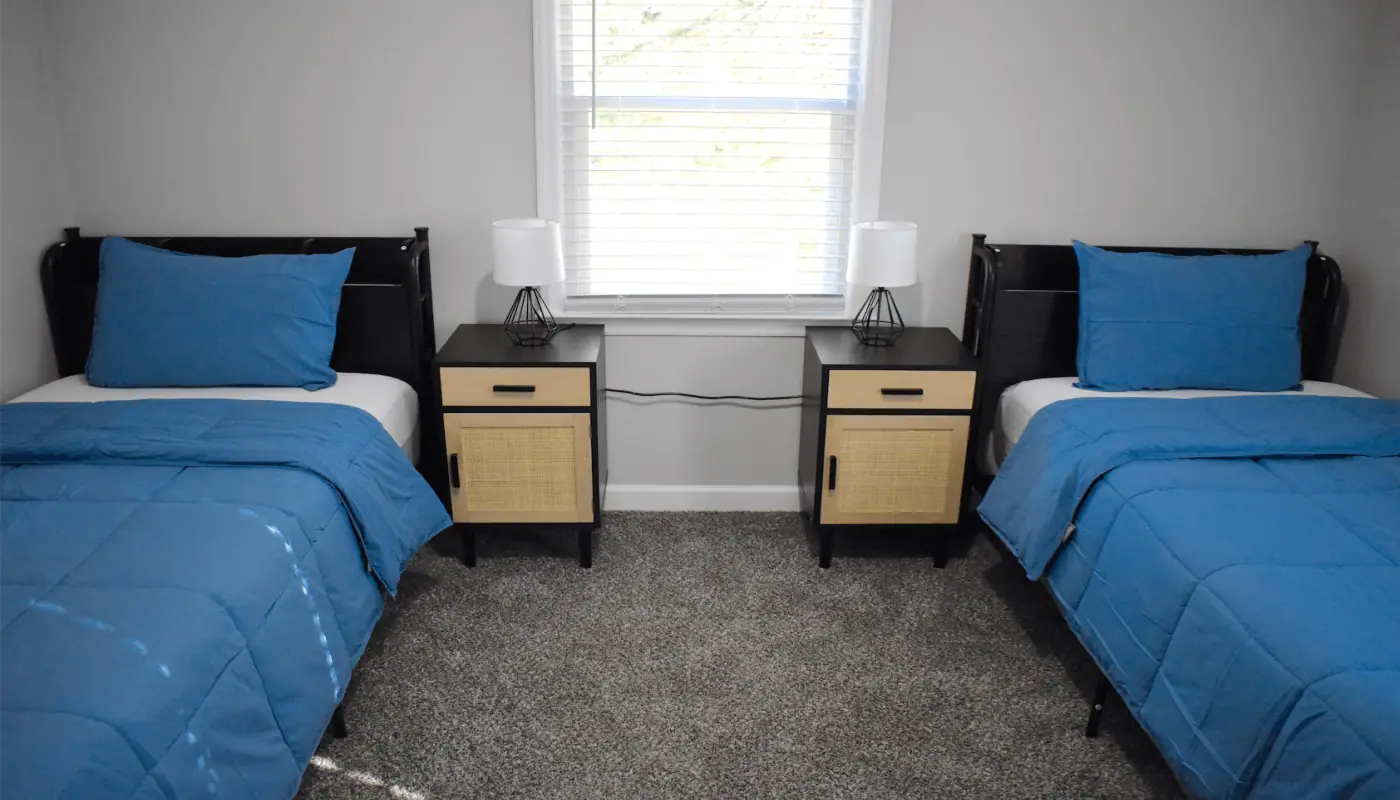
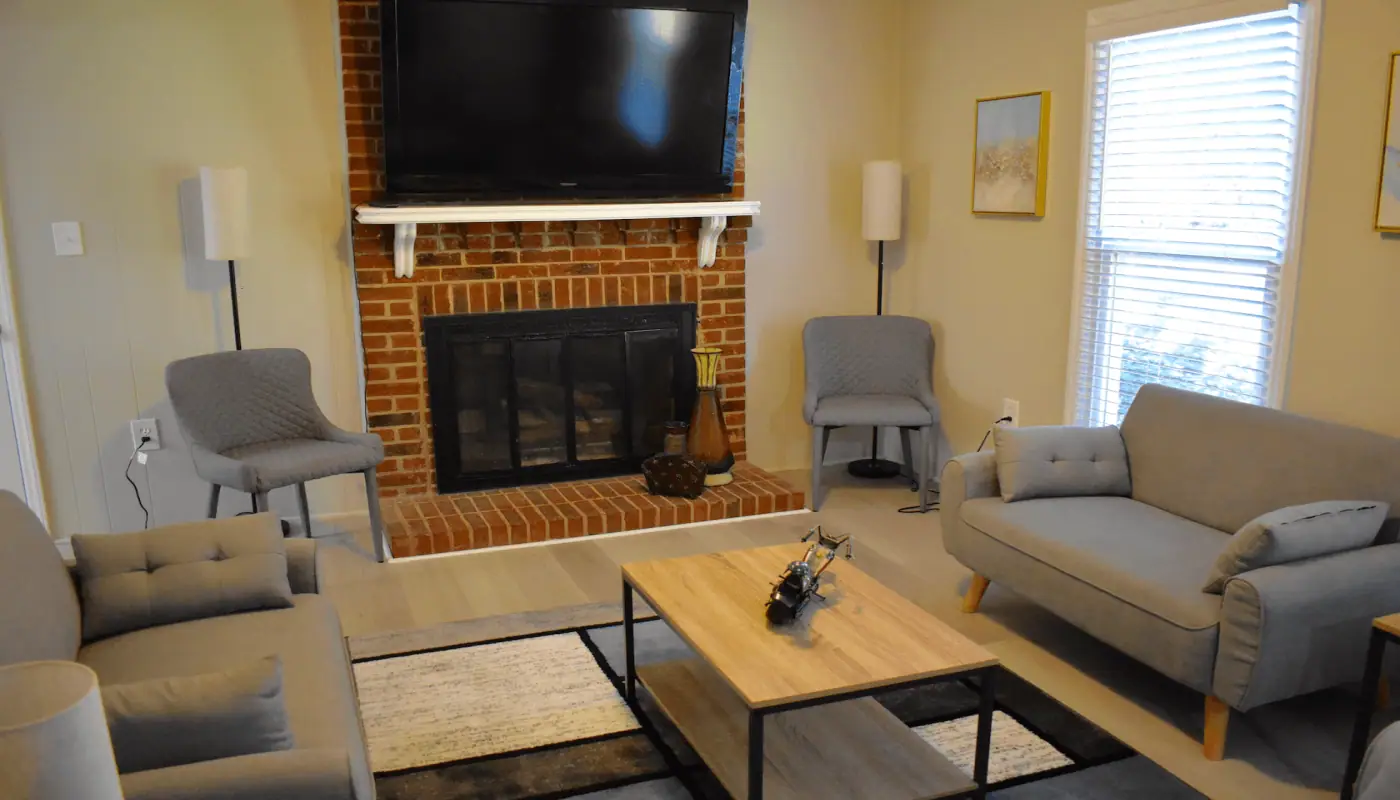
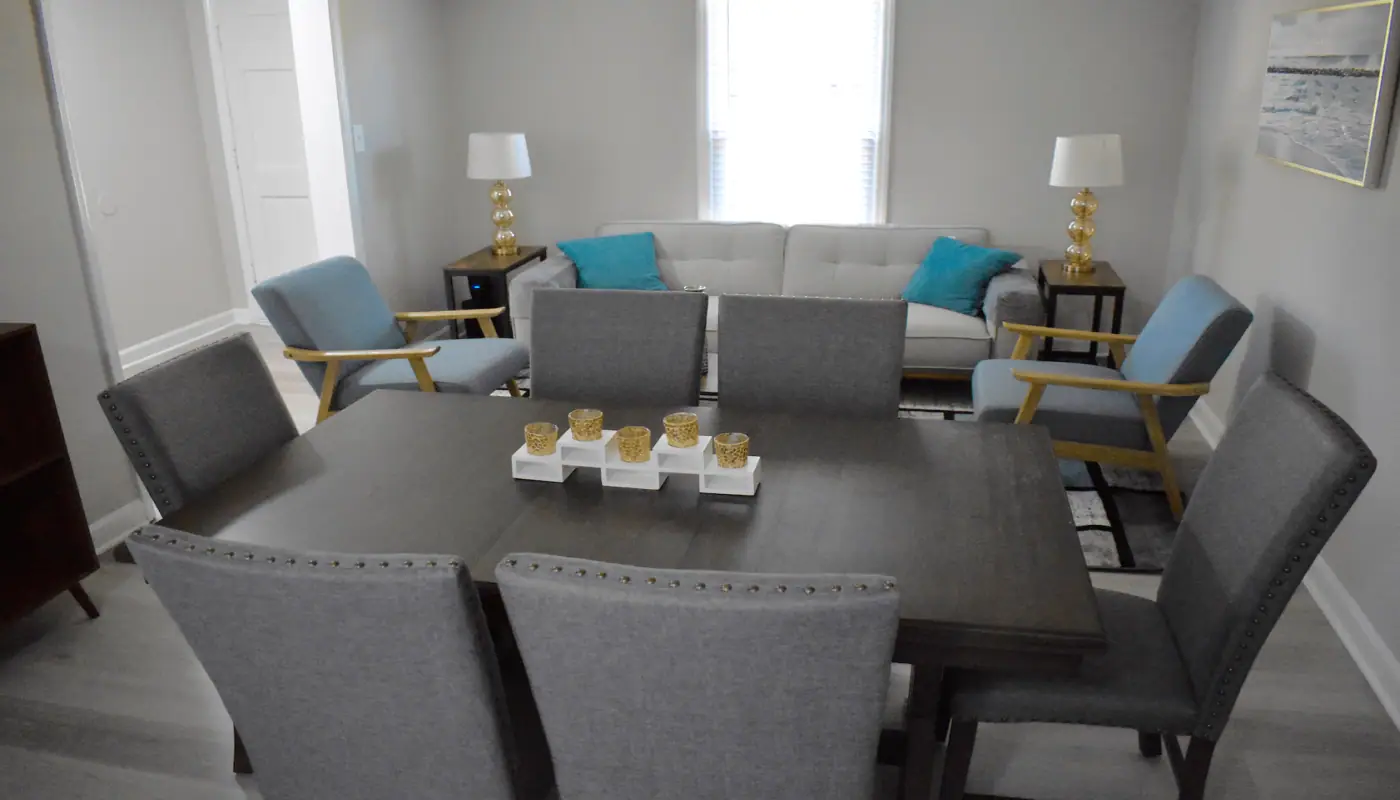
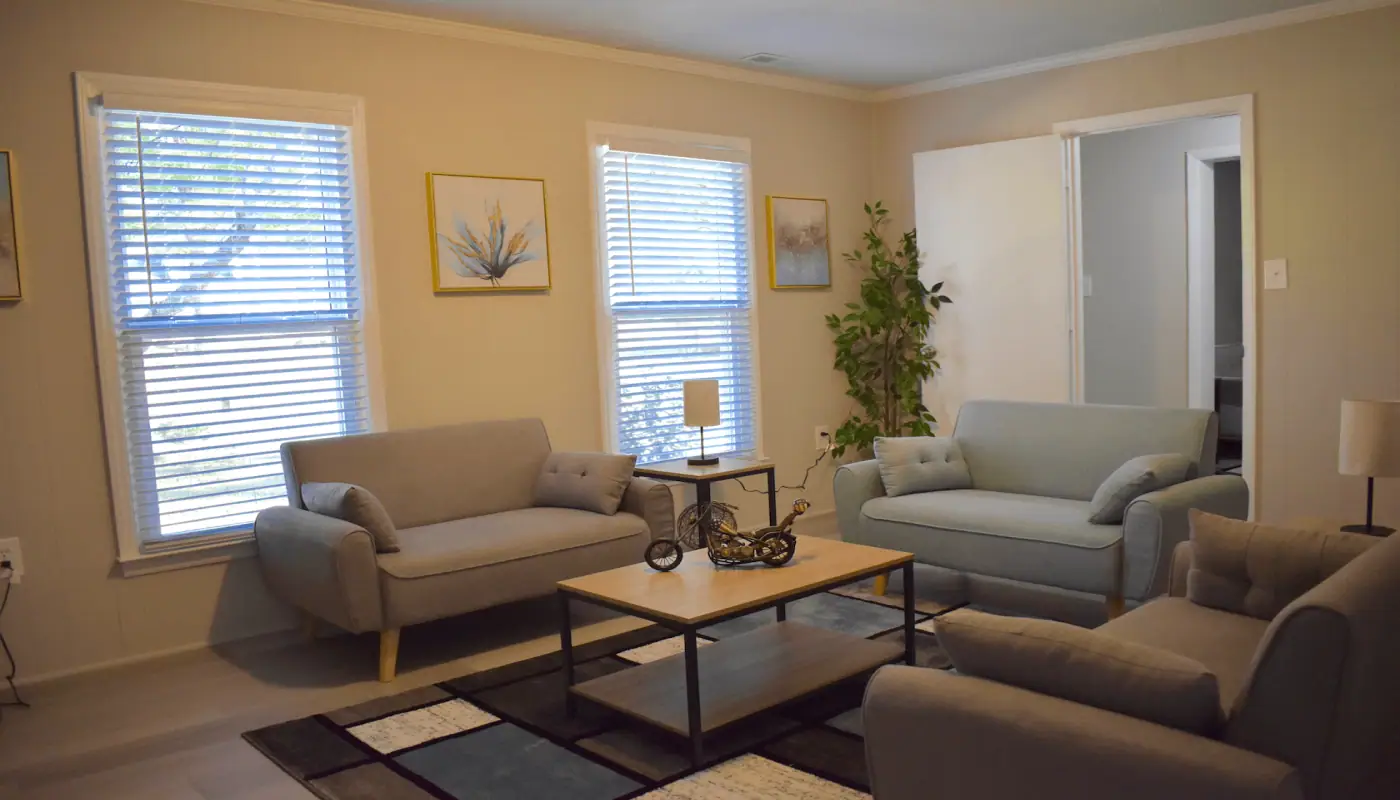
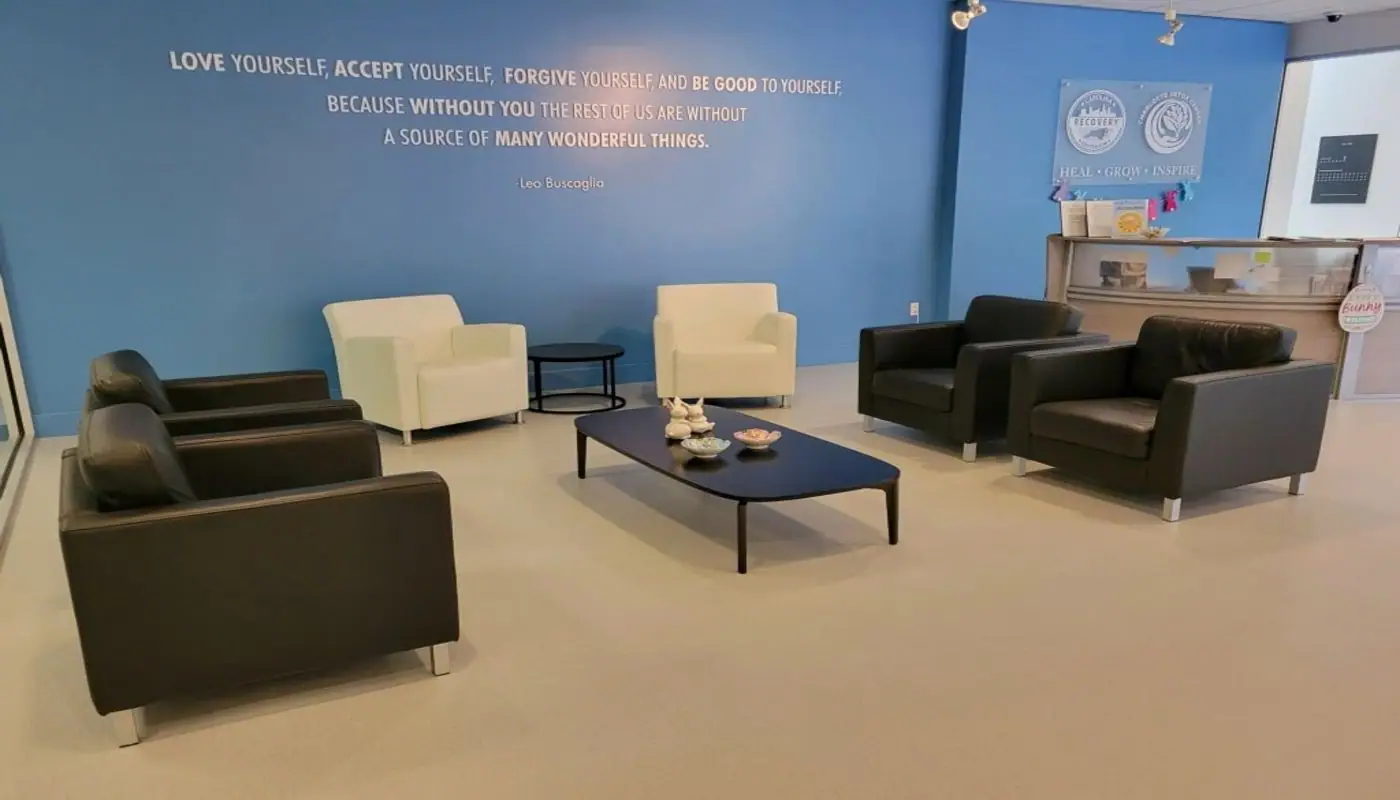
The Recovery Place Sober Living opened in 2023 and describes itself as a stable, structured home for men who are working on rebuilding daily life without alcohol or drugs. The house is not a clinical detox or inpatient ward; it is a sober living setting, which means the day-to-day structure and the peer community carry much of the weight. Men looking for sober living in Charlotte North Carolina can read the house expectations here first so nothing at intake comes as a surprise.
The center describes its approach as holistic, rooted in a therapeutic community. In practice that breaks down into a few working pieces: men encouraging one another, care for physical health, mindfulness and spiritual practice, everyday life skills, and relatives taking part. The team likewise offers case management, coordination of care, medication monitoring, recovery coaching, groups for meditation and mindfulness, and organized outings once a month. A residential recovery house for men in North Carolina pairs peer accountability with counseling instead of standing in for clinical care, so residents commonly continue seeing therapists or attending outpatient programs elsewhere.
Programs and daily structure
The Recovery Place Sober Living Charlotte lists a single care option, sober living, the typical program duration being 30 days, yet the center's description asks residents for a six-month commitment. Since those two figures come from separate sources, it makes sense to clarify them by phone. Men in the house take part in 1-on-1 counseling, life skills work, meditation and mindfulness practice, and nutrition counseling. North Carolina sober living programs vary quite a bit, so ask what a typical week looks like before you pick a move-in date.
Accountability structures daily life at the house. Men there take drug tests every 72 hours, show up for community meetings and mandatory house activities, observe curfew, and do their share of household tasks. The approach as described also brings family members into the process, which is worth knowing if relatives hope to be kept informed. For anyone comparing rehabs and sober living in North Carolina, visit the house in person if you can and look over the bedrooms and common areas firsthand.
- Holistic
- 1-on-1 Counseling
- Therapeutic Community
- Meditation & Mindfulness
- Life Skills
- Nutrition Counseling
Who this house is built for in Charlotte
- Men aged 18 and older who want a sober living environment rather than clinical detox
- Men working on alcohol use or drug use who need structure between treatment episodes
- Men who can commit to the house's six-month program as described
- Men willing to test every 72 hours, attend meetings, and follow curfew
- Men who want counseling, life skills, and peer community in one place
- Men whose families are willing to take part in the recovery process
Setting, treatment duration, and amenities
The Recovery Place Sober Living Charlotte sits at 2034 Lawton Bluff Rd. in Charlotte, ZIP 28226, and the only amenity named in the listing is shared rooms. English is the language of service. Program length is listed as 30 days typical, while the center's description asks men to commit to six months, so clarify the expected stay and what happens if someone leaves early. If you rely on North Carolina Medicaid, then ask which local outpatient programs accept it while you live at the house.
How to pay for sober living in Charlotte
This house sets its own sober living rates, and no price is shown in the listing, so ask directly what the rent covers and what it leaves out. Insurance generally pays for clinical treatment, not room and board, so sober living is often paid out of pocket; if you plan to use coverage for counseling or outpatient care while you live there, confirm those benefits by phone before moving. Phone the helpline to verify availability and coverage at North Carolina facilities and to ask what a sober living stay usually involves. An advisor can look up openings and insurance coverage for you, and calling commits you to nothing.
Things to confirm before you enroll
- What is the total monthly cost, and what does it include: food, utilities, transportation?
- Is the expected stay 30 days or six months, and what happens if I need to leave sooner?
- Who provides the counseling, and are those sessions billed to insurance separately?
- What are the curfew, guest, and drug testing rules in writing?
- Is there a waiting list, and what should I bring on move-in day?

More rehabs around Charlotte
-

Charlotte, NC
High Focus Charlotte
- Outpatient
High Focus Charlotte is an outpatient treatment center on Queens Road in Charlotte.
- 90+ days program
-
 Joint Commission
Charlotte, NC
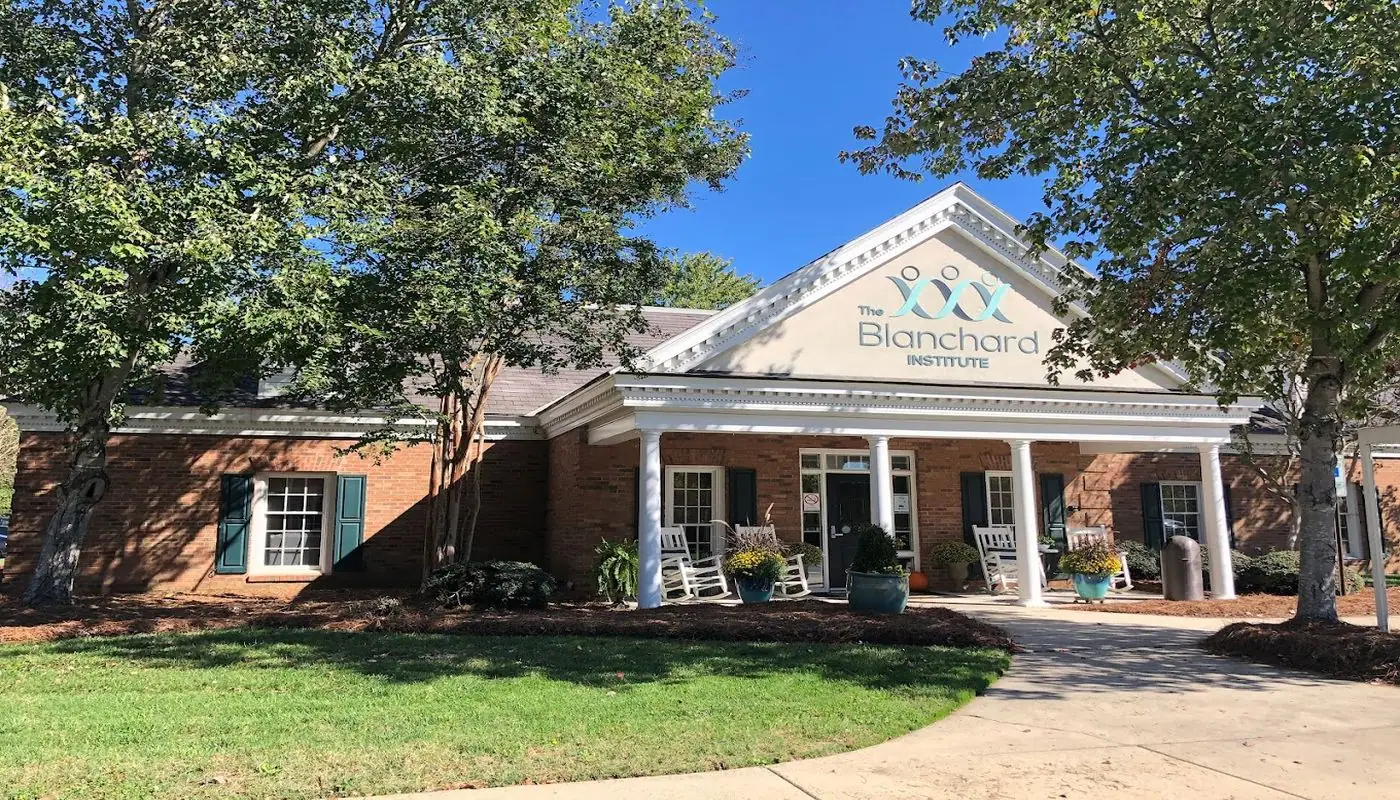
The Blanchard Institute
4.6/5231 Google reviews
- Co-Occurring Mental Health
- Outpatient
The Blanchard Institute Charlotte provides outpatient care for both mental health needs and substance use needs alongside substance misuse.
- 30 days program
-
Charlotte, NC
Grace Healing Journey
- Co-Occurring Mental Health
Grace Healing Journey Charlotte is a small Christian counseling practice in south Charlotte.
- 14+ days program
- 2-5 beds
-
 Joint Commission
Charlotte, NC
Newport Academy North Carolina
- Co-Occurring Mental Health
- Residential Rehab
Newport Academy North Carolina Charlotte is a residential program for teenage boys.
- 90 days program
- 6-15 beds
-
 Joint Commission
Charlotte, NC
Harmony Recovery Center
4.1/5221 Google reviews
- Outpatient
Harmony Recovery Center is an outpatient facility in Charlotte, North Carolina.
-
Charlotte, NC
Carolina Center for Recovery
4.8/5556 Google reviews
- Co-Occurring Mental Health
- Outpatient
Carolina Center for Recovery Charlotte is an outpatient program for adults with substance use and co-occurring conditions.
- 30 days program
FAQ
Is The Recovery Place Sober Living in Charlotte a licensed treatment center?
The SAMHSA listing categorizes it as sober living, not inpatient or residential clinical treatment, so it is a housing setting with support services rather than a medical detox or hospital program. That distinction matters for insurance and for anyone who needs withdrawal management. If you are coming off heavy alcohol or benzodiazepine use, a clinician should assess you before you move in, because those withdrawals can be dangerous. Ask the house how they coordinate with outside providers.
How long do people generally stay at this sober living house in Charlotte?
The listing gives a typical program length of 30 days, while the center's description asks residents to commit to six months. Treat that gap as a question to raise, not a contradiction to guess about. Call and ask what the expected stay is, how rent is handled month to month, and what leaving the house involves. Having the answer before you pack makes moving far less stressful for you and your family.
Does North Carolina Medicaid pay for sober living?
Clinical services like outpatient counseling, medication management, and some residential care are typically covered by Medicaid, though room and board at a sober living house usually is not a covered benefit. North Carolina's program has detailed rules, so check your own coverage instead of guessing. One practical step is to ask the house which nearby outpatient providers bill North Carolina Medicaid, then call to verify those benefits before you commit to moving.
What should I ask about drug testing and house rules?
This house tests every 72 hours and requires community meetings, house activities, curfew compliance, and chores, according to its description. Ask for the rules in writing and find out what happens after a positive test or a missed curfew. Clear consequences protect everyone in the house. If the structure feels heavier than you can manage right now, say so on the call; a good fit matters more than a fast move-in date.
What are some examples of mental health residential treatment centers in North Carolina?
The Recovery Place Sober Living is a sober living home for men, not a clinical residential treatment center, and the state has 430 SAMHSA-listed facilities of various kinds. For mental health residential care, ask the house for referrals or call the helpline to discuss options. If you need withdrawal management or psychiatric care, a clinician should assess you first. Knowing the difference between housing and treatment helps you choose the right setting.
Discuss your options with someone
If you are weighing a sober living house against a clinical program, a short call can help you see the difference. Trained advisors staff the helpline, connecting callers with licensed treatment providers, and there is no charge for the call. Whatever you share stays private and no obligations are placed on you later. Use the helpline to verify availability and coverage at North Carolina facilities and to ask what sober living usually involves. No one will promise a bed or a benefit; you just get a clearer picture before you decide.