
High Focus Charlotte
High Focus Charlotte is an outpatient treatment center on Queens Road in Charlotte. It is one of 430 SAMHSA-listed facilities in North Carolina and opened in 2022. The program runs 90 or more days and combines therapy with medication-assisted treatment.
- Outpatient
- 90+ days

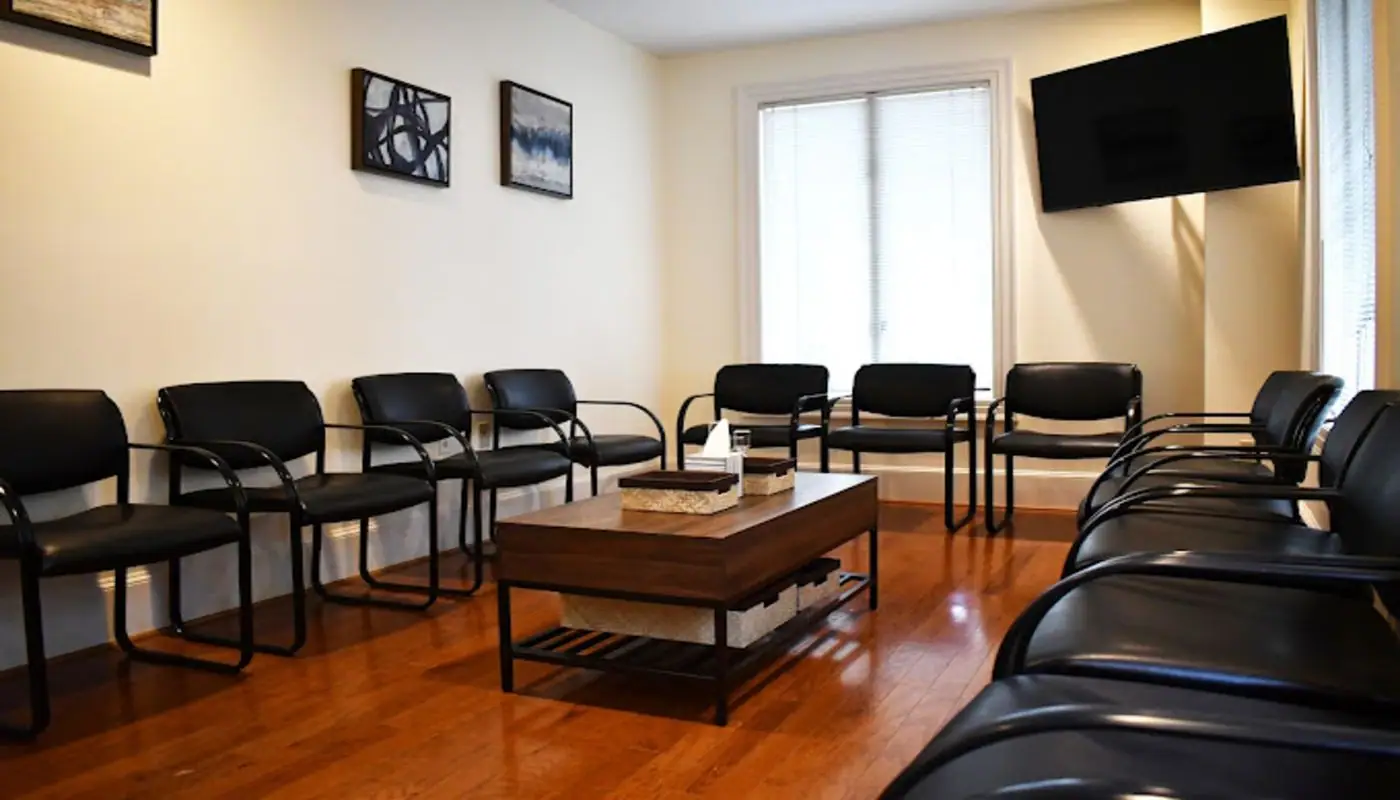

This Charlotte program serves adults who need structured care while staying at home. It addresses mental health needs together with substance use and mental health needs, and the team builds each plan around that person's diagnosis instead of one fixed schedule. High Focus Charlotte is one of 430 SAMHSA-listed facilities across North Carolina that offer outpatient care.
Clinical work here leans on evidence-based methods and a therapeutic community model, with family members brought into the process where it helps. Counseling is paired with practical skill-building, so the weeks between sessions have something to hold onto. Because the center opened in 2022, it is newer than many programs in the region, and the helpline can tell you what that means for current availability.
Programs for High Focus Charlotte
This center runs as an outpatient facility, and its two structured tracks are day treatment and an intensive outpatient program. Both suit people who do not need 24-hour monitoring yet need more than a weekly appointment. Alongside counseling, medication-assisted treatment is offered for people dealing with opioids, alcohol, or prescription drugs. Day treatment and intensive outpatient programs in North Carolina vary widely in hours, so before you commit, ask what a typical week actually looks like.
Counseling here comes in several formats: individual sessions, group work, and family meetings, along with acceptance and commitment therapy and solution-focused methods that keep goals practical. Psychoeducation shows how substance use and mental health affect each other, while life skills sessions cover the everyday details that often decide whether a plan lasts. If it is unclear which level of care matches you, the helpline can explain how day treatment differs from standard outpatient care.
- Therapeutic Community
- Evidence-Based
- Medication-Assisted Treatment
- Family Therapy
- 1-on-1 Counseling
- Acceptance and Commitment Therapy (ACT)
- Group Therapy
- Personalized Treatment
- Holistic
- Individual Treatment
The people this program takes in
- Adults of all genders, with distinct tracks for men and for women
- People with alcohol, opioid, prescription drug, or other drug involvement
- Individuals also managing anxiety, depression, bipolar disorder, ADHD, OCD, or an eating disorder
- Those who need flexible scheduling rather than round-the-clock residential care
- Relatives who wish to take part in the treatment process
Campus, stay length and languages
Care is delivered at 200 Queens Road Suite 101 in the Elizabeth area of Charlotte, close to center city. The typical program length is 90 days or longer, though the actual number of weeks depends on progress and clinical recommendations. Sessions are offered in English. There are no residential beds here, so participants arrange their own housing and transportation. If distance is a barrier, ask the helpline about other outpatient options in the Charlotte area before ruling this one out.
Paying for High Focus Charlotte
Paying cash is one available payment option. Insurance contracts are not published, and outpatient coverage rests on your particular plan, its network, and a medical necessity review, so specifics must be confirmed by phone rather than guessed. Outpatient treatment may be covered by North Carolina Medicaid and private insurance, though eligibility and authorization rules differ by plan. The helpline can help you gather what a billing office will ask for and confirm this center's accepted payments before you book an assessment.
Things to confirm before you enroll
- What weekly hour commitment does the intensive outpatient program involve, and which days does it meet?
- Is medication-assisted treatment prescribed on site, or coordinated with an outside prescriber?
- Which insurance plans and Medicaid managed care networks are currently accepted?
- How are family sessions scheduled, and are they required or optional?
- What if someone requires a higher intensity level of care, like detox or residential treatment?


More rehabs around Charlotte
-
 Joint Commission
Charlotte, NC
The Blanchard Institute
4.6/5231 Google reviews
- Co-Occurring Mental Health
- Outpatient
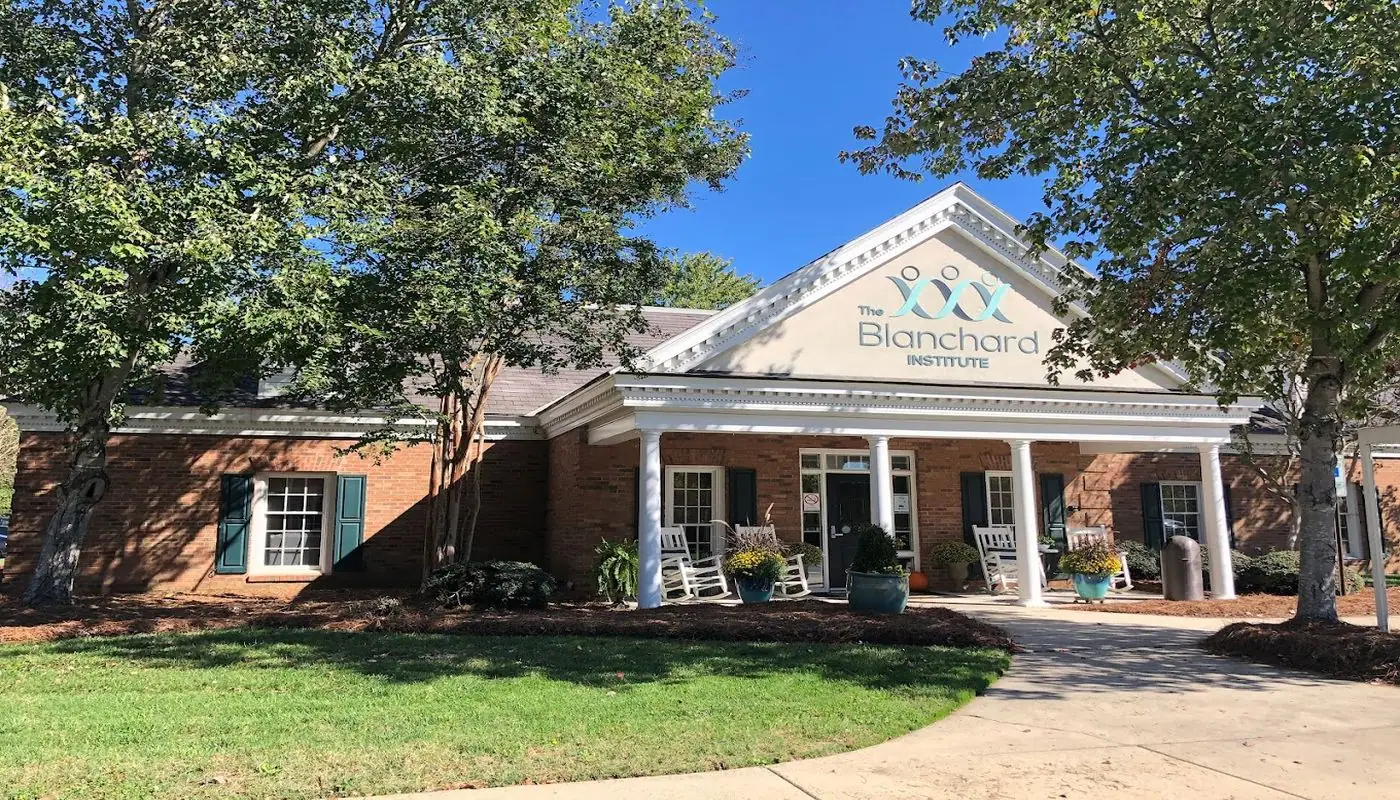
The Blanchard Institute Charlotte provides outpatient care for both mental health needs and substance use needs alongside substance misuse.
- 30 days program
-
Charlotte, NC
Grace Healing Journey
- Co-Occurring Mental Health
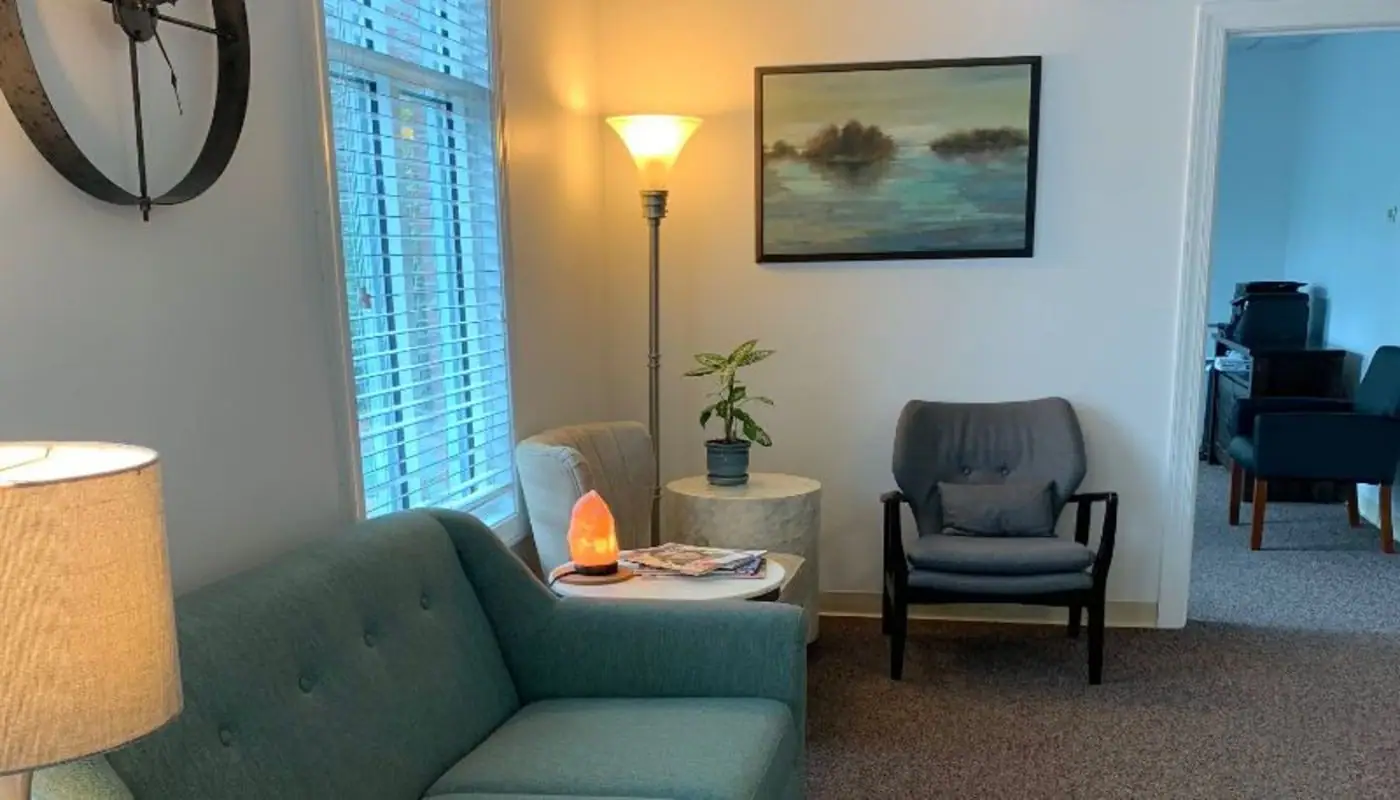
Grace Healing Journey Charlotte is a small Christian counseling practice in south Charlotte.
- 14+ days program
- 2-5 beds
-
 Joint Commission
Charlotte, NC
Newport Academy North Carolina
- Co-Occurring Mental Health
- Residential Rehab
Newport Academy North Carolina Charlotte is a residential program for teenage boys.
- 90 days program
- 6-15 beds
-
 Joint Commission
Charlotte, NC
Harmony Recovery Center
4.1/5221 Google reviews
- Outpatient
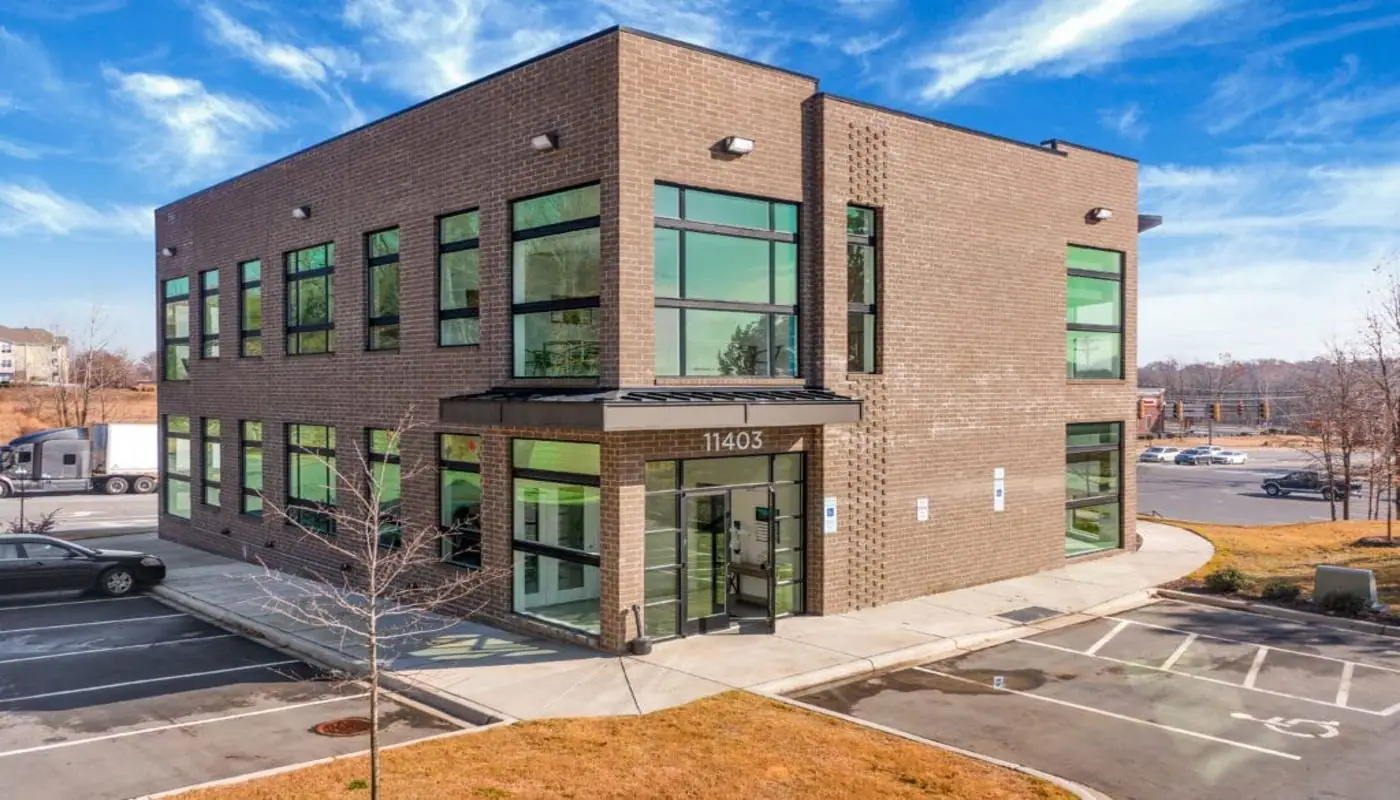
Harmony Recovery Center is an outpatient facility in Charlotte, North Carolina.
-
Charlotte, NC
Carolina Center for Recovery
4.8/5556 Google reviews
- Co-Occurring Mental Health
- Outpatient
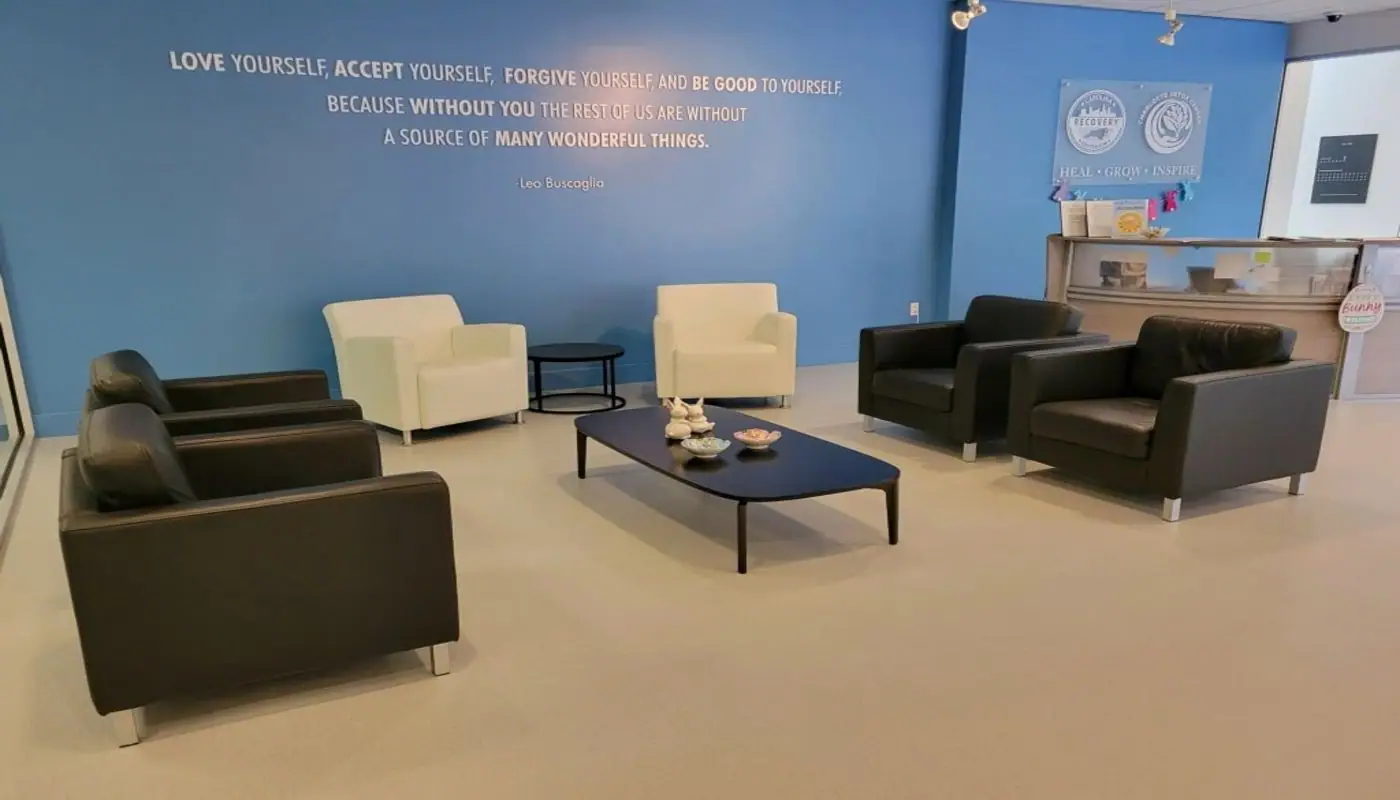
Carolina Center for Recovery Charlotte is an outpatient program for adults with substance use and co-occurring conditions.
- 30 days program
-
Charlotte, NC
Charlotte Detox Center
4.8/5167 Google reviews
- Detox
- Co-Occurring Mental Health
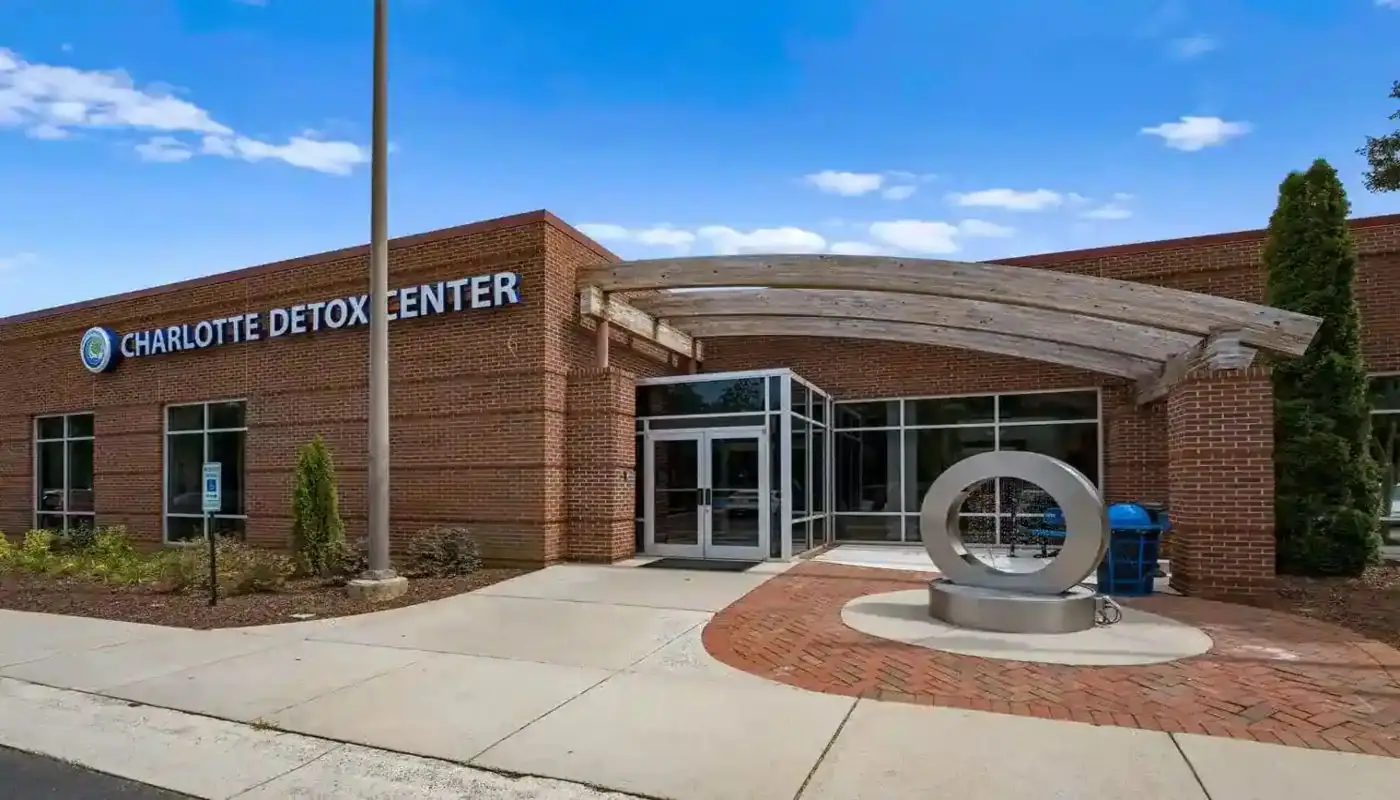
Charlotte Detox Center provides medical detox and co-occurring mental health support for adults in Charlotte, North Carolina.
- 14 days program

FAQ
Does High Focus Charlotte accept Medicaid for outpatient care?
Cash pay rates appear here, but whether insurance or Medicaid is accepted is not published, so you must confirm that directly. With North Carolina Medicaid, outpatient coverage depends on the managed care plan and a medical necessity review. Call the helpline and a trained advisor can help you verify network status and the paperwork your plan will request before you book anything.
How long do people typically stay in outpatient rehab?
Here the usual program length is 90 days or longer, which is typical for intensive outpatient care. Some people reduce hours sooner with their clinician's agreement, and others stay longer. The schedule follows progress rather than a set calendar date, so during the assessment ask what milestones would indicate readiness to cut back hours.
Does North Carolina have a serious drug problem?
North Carolina has seen sustained rises in overdose deaths tied largely to opioids and fentanyl, which is why outpatient and medication-assisted options matter here. There are 430 SAMHSA-listed facilities in the state, ranging from detox to outpatient counseling. Someone who is drinking heavily or using opioids daily should be assessed by a clinician before stopping, because withdrawal can become dangerous.
Can High Focus Charlotte treat mental health conditions alongside addiction?
Yes. Among the conditions treated here are anxiety, depression, bipolar disorder, ADHD, OCD, and eating disorders, in addition to alcohol, opioid, prescription drug, and other drug use. Addressing both together is the aim of a dual diagnosis approach. If you aren't sure your situation fits, the helpline can help you put it into words and locate a matching program.
Checking High Focus Charlotte
Trained people staff the helpline at all hours to help you sort through options, and the call costs nothing. Nothing goes to a treatment center until you choose that, and no one pushes you toward a bed. If this Charlotte program ends up not fitting, the same call can direct you to other outpatient or residential services across North Carolina. Keep your insurance card handy if possible, since coverage questions are easier to answer with it.