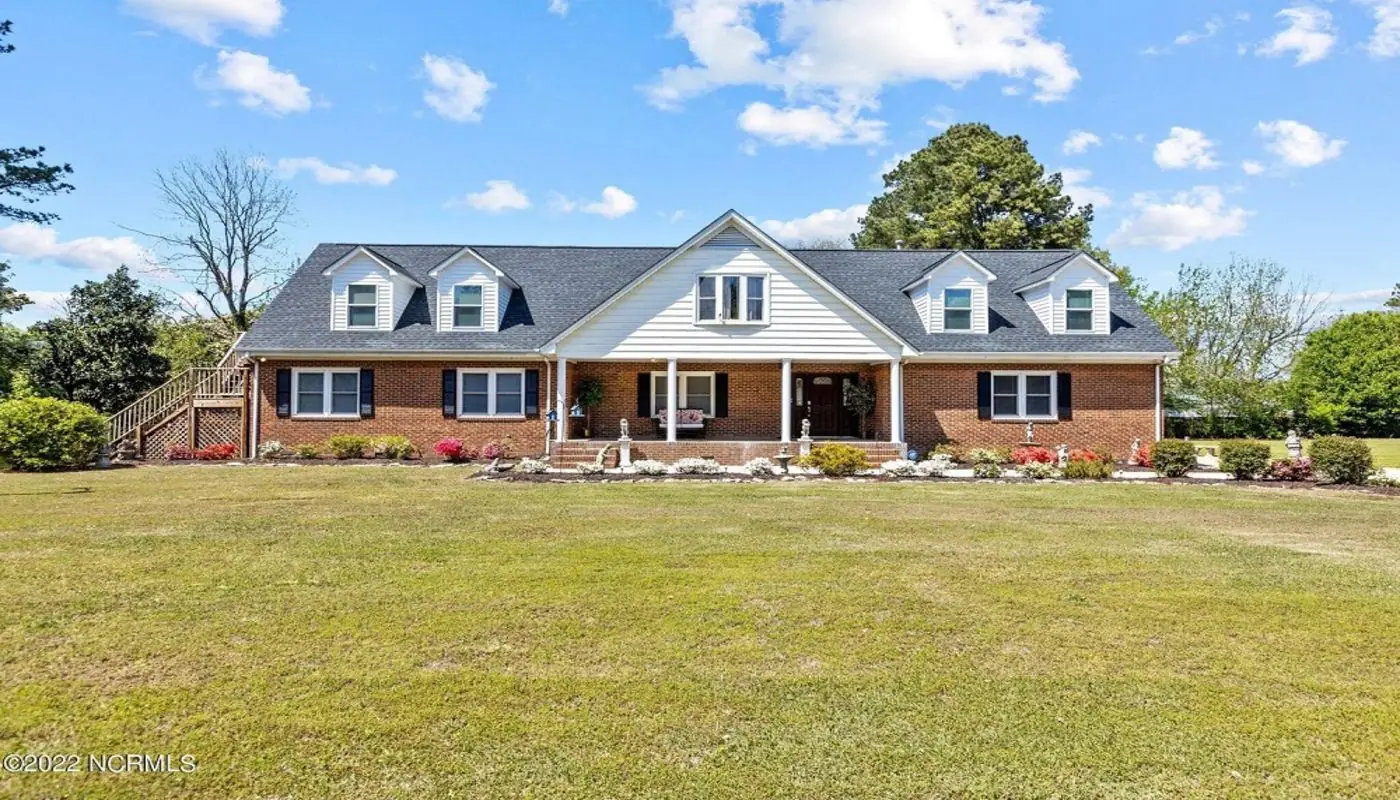
Hope is Alive Recovery Homes Greenville
Hope is Alive Recovery Homes Greenville is a Christian sober living house on Bluebird Lane. It is one of 430 facilities listed for North Carolina as of November 2026. This page covers the house, the routine, and how to ask about a bed with hope is alive recovery homes Greenville.
- Sober Living
- 30 days
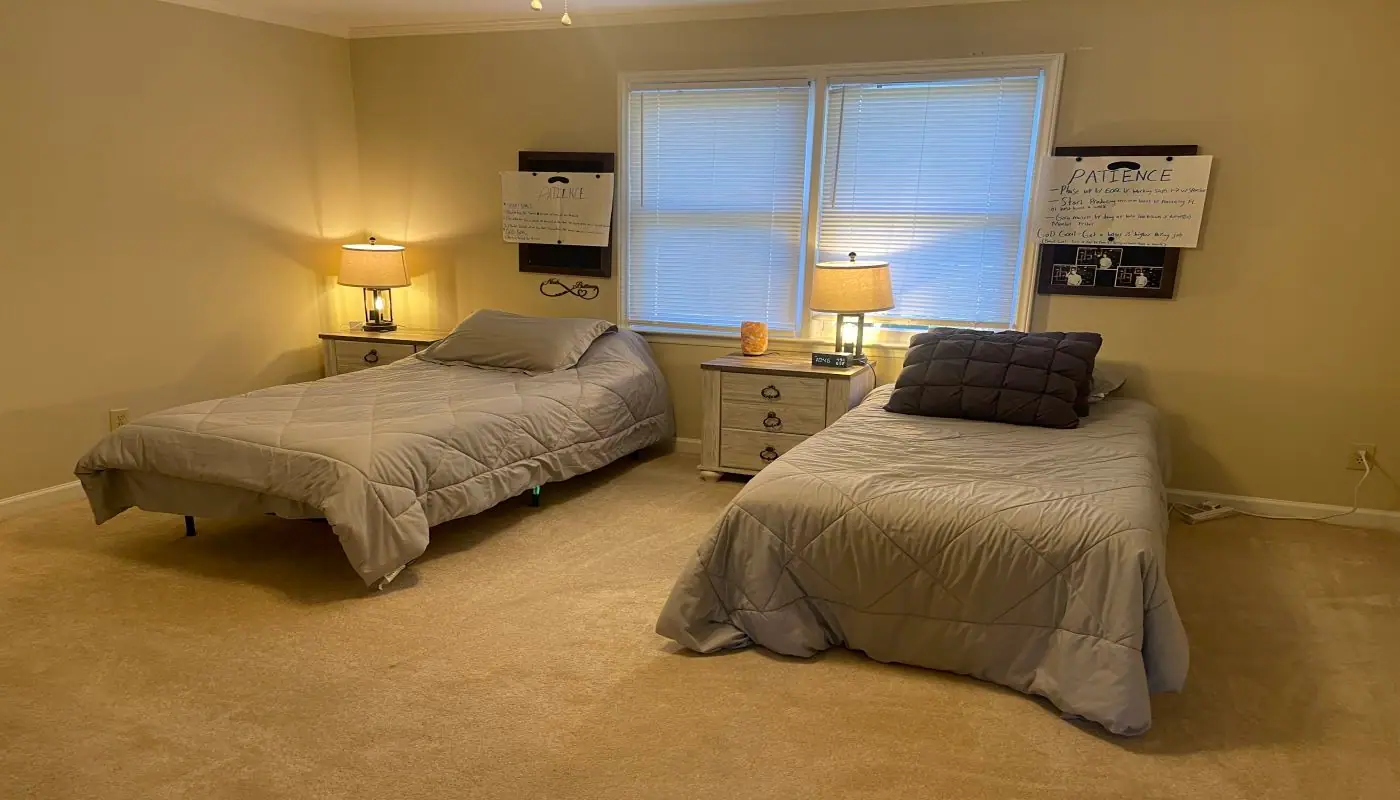
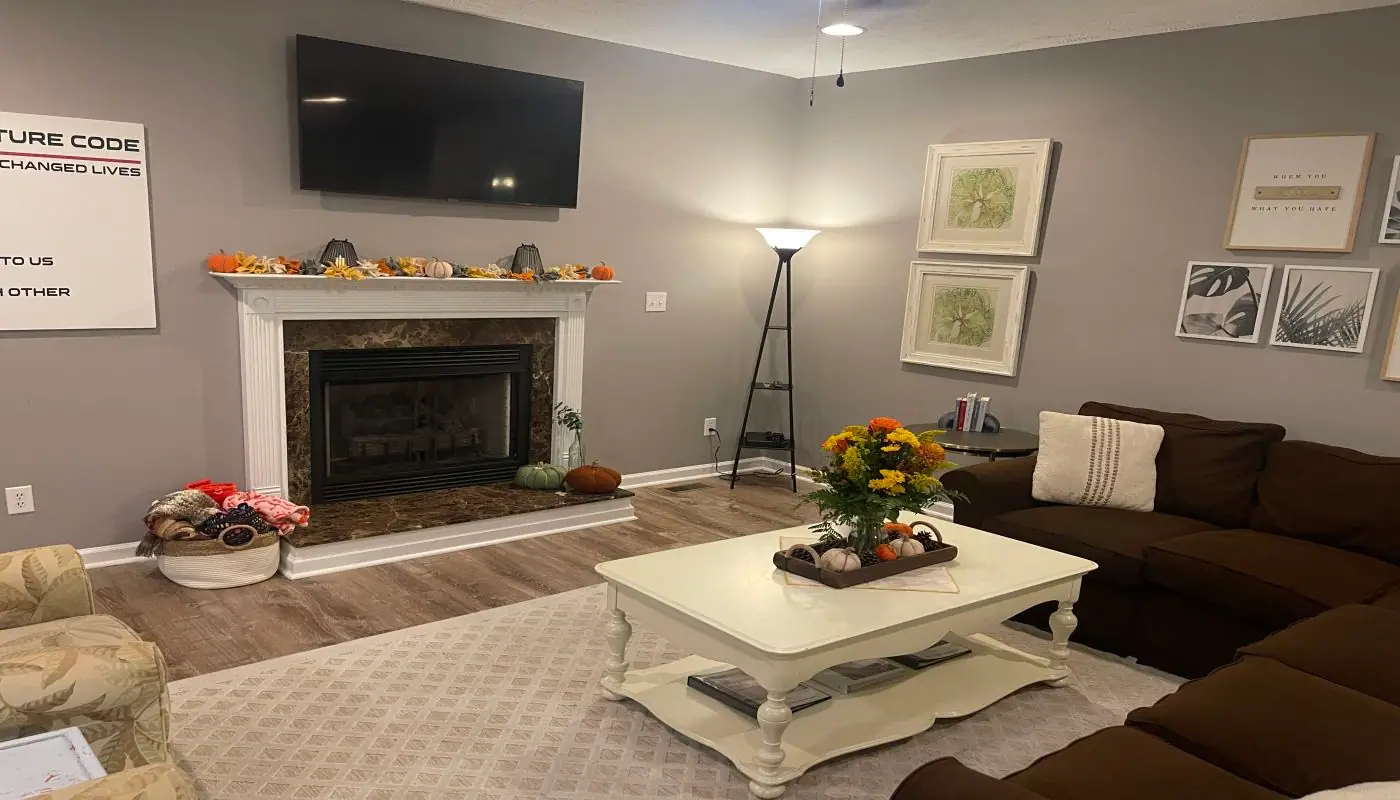
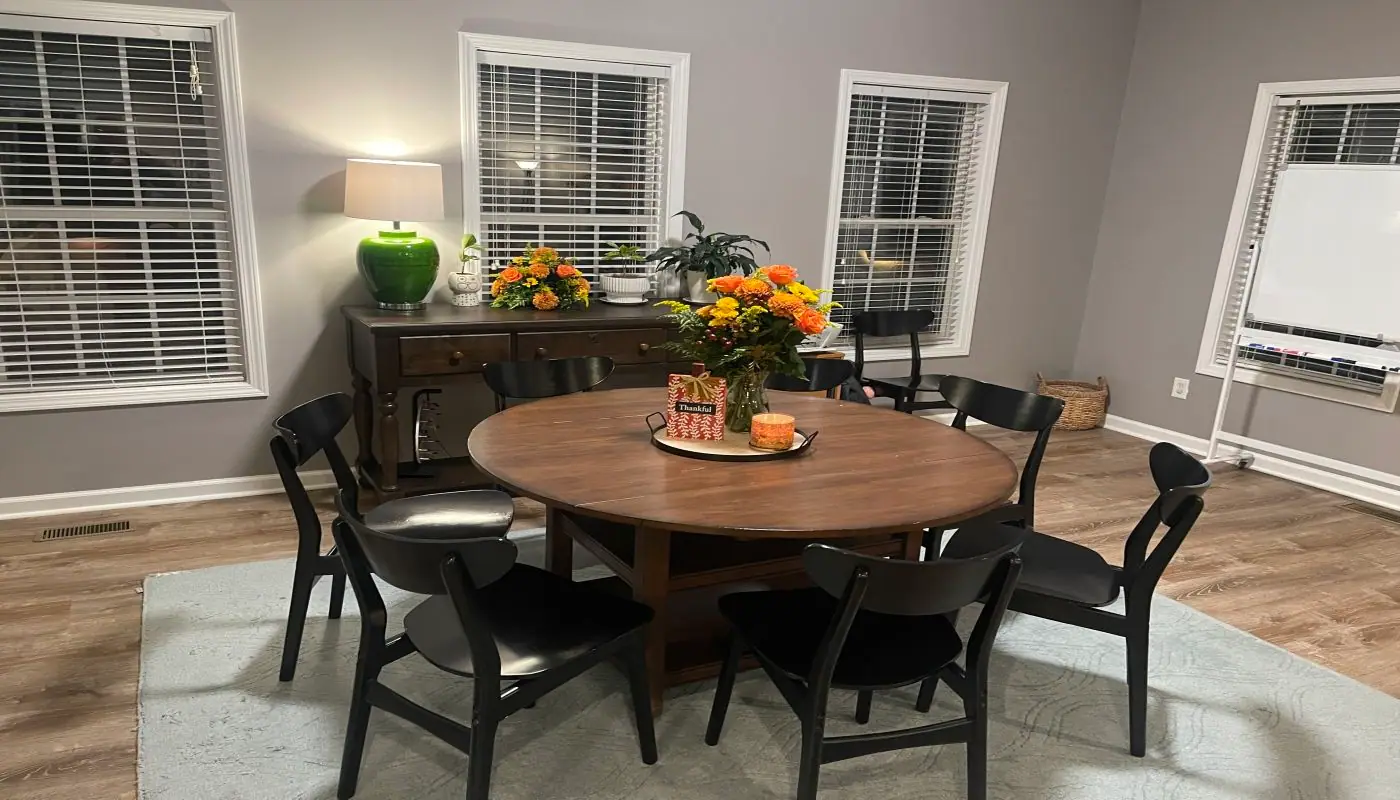
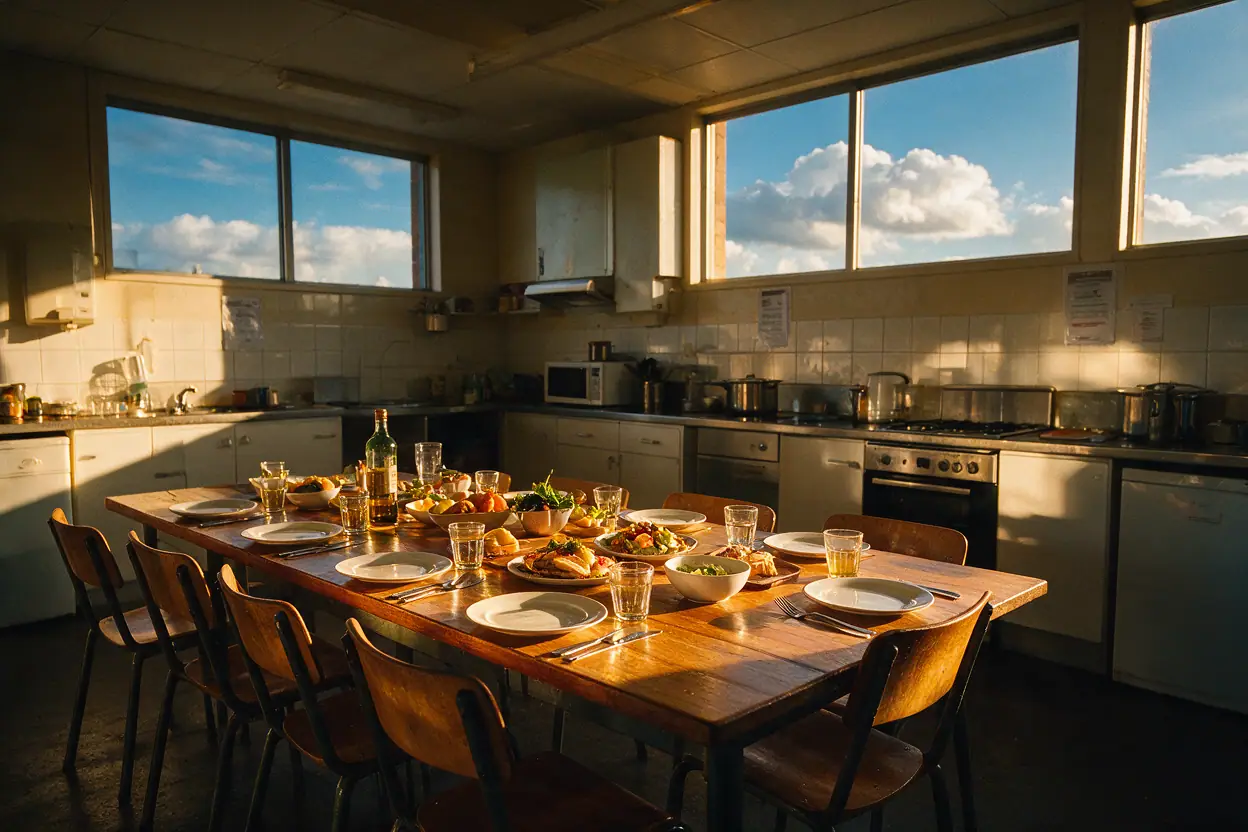
Think of this residence as housing where daily routines get rebuilt, rather than a place that provides medical detox or clinical care. What it offers falls under sober living, and its framework is Christian and split by gender, with men and women living in separate homes. Most residents share bedrooms and bathrooms, and the house provides bedding, dressers, nightstands, lamps, and a kitchen area for each person.
Hope is Alive began in 2013 and grew out of one family's experience with substance use. The ministry treats addiction as a disease and puts prayer and community near the center of recovery. Families are drawn into the process rather than left at the door. Participants are asked to trade old habits for new ones and to think honestly about their emotions.
The Greenville home is part of a wider North Carolina presence that also includes men's and women's residences in Beaufort and a women's residence in Hubert. The ministry is headquartered in Oklahoma City and supports sober living, retreats, and church partnerships beyond this state. Each house runs on a shared daily rhythm rather than a clinical schedule.
Hope is alive recovery homes Greenville
A typical stay is listed at 30 days, while the ministry describes its sober living course as running 12 to 18 months and says most residents complete all 18; ask the house which figure governs your situation. The spiritual care and Christian approach here are built around house meetings, Bible study, church, and mentors rather than clinical treatment hours.
Residents who are men join a 12-Step facilitation program in the local area, secure full-time employment nearby, and meet with mentors inside the home once each month. Monday Bible study and the Wednesday group both start at 6:30 p.m., while Sunday evening is given over to a house meeting. The curriculum is adapted to fit each resident, and staff can help with legal matters when appropriate for those who ask. Optional ski trips and retreats come up during the year, and random drug testing supports accountability.
Men and women are housed separately in gender-specific residences, which matters if shared space is a concern for someone leaving a mixed program. If you are comparing this sober living house with clinical drug rehab centers in North Carolina, then ask which level of care fits your history before you commit to a move-in date.
Who this Greenville program is built for
- Men and women who want a Christian, gender-specific living environment rather than a clinical inpatient unit
- People dealing with benzodiazepines, cocaine, heroin, methamphetamine, prescription drugs, ecstasy, psychedelics, or synthetic drugs
- Someone who has completed detox or another level of care and now needs structure, work, and community
- People willing to hold a job, attend 12-Step meetings, and take part in house worship and study
- Families who want to be involved, since the ministry treats recovery as something the whole household walks through
Setting, length of stay, what to bring
Shared bedrooms and shared bathrooms are standard, with air-conditioned rooms and provided bedding, dressers, nightstands, and lamps. Bring a Bible, about a month of clothing, hangers, towels, laundry detergent, toiletries, and your own food and non-alcoholic drinks. The program lasts 30 days as listed, with the ministry's fuller sober living course running 12 to 18 months; programming is in English. If you are weighing a longer stay against a shorter one, then ask the house directly how length is decided for your situation.
Costs and how payment works here
According to the ministry, the first month costs $750 and every month after runs $650, a level of pricing detail that sober living homes rarely publish and something to double-check before you move in. This page cannot tell you whether the home accepts insurance; the helpline and the house itself can help you confirm what your plan covers, because sober living is usually funded differently from clinical care. When money is the obstacle, ask about any scholarship offered through a church or the ministry, and check with the state Medicaid program about coverage for residential treatment at another setting.
What to ask before moving in
- Is a bed open in the men's or women's house right now, and how long is the waitlist
- How is the 30-day listing reconciled with the 12 to 18 month course the ministry describes
- What does the $750 first month and $650 monthly rate include, and what is billed separately
- How does the house handle a resident who needs medical detox or benzodiazepine withdrawal support
- What transportation, work connections, and aftercare look like after the 18 months end
Other programs to consider
-
North Wilkesboro, NC
North Wilkesboro Comprehensive
- Outpatient
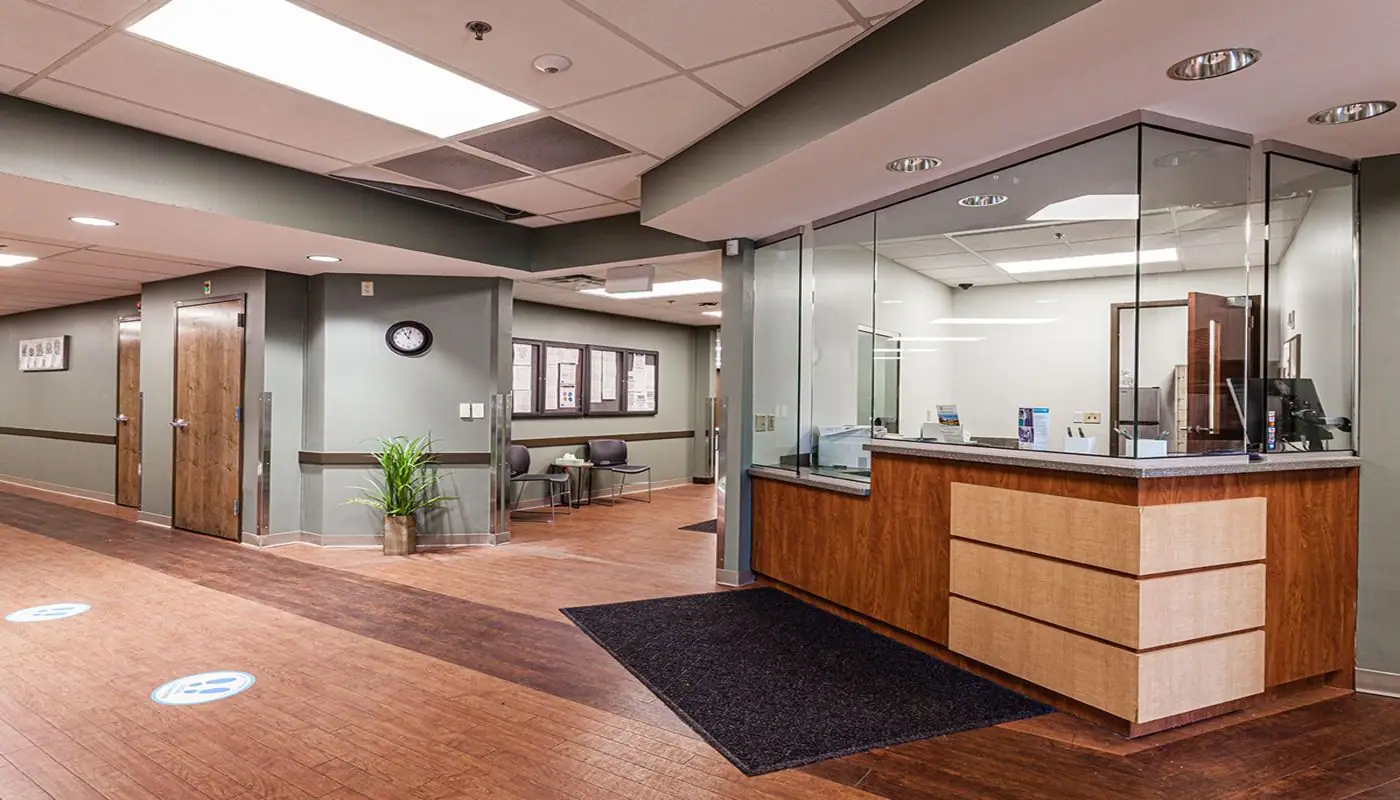
North Wilkesboro Comprehensive Treatment North Wilkesboro is an outpatient clinic for opioid use disorder.
- 30+ days program
-
Charlotte, NC
High Focus Charlotte
- Outpatient
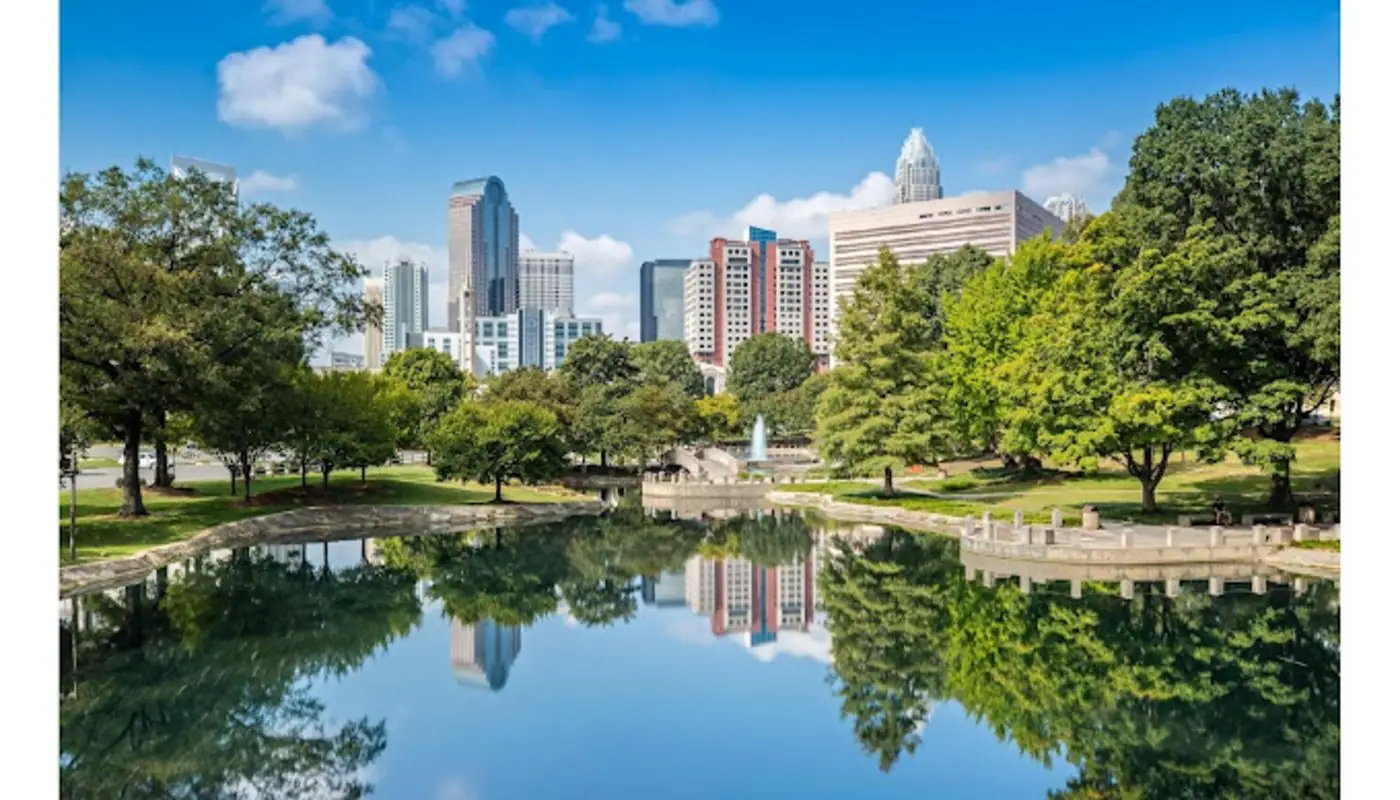
High Focus Charlotte is an outpatient treatment center on Queens Road in Charlotte.
- 90+ days program
-
 Joint Commission
Charlotte, NC
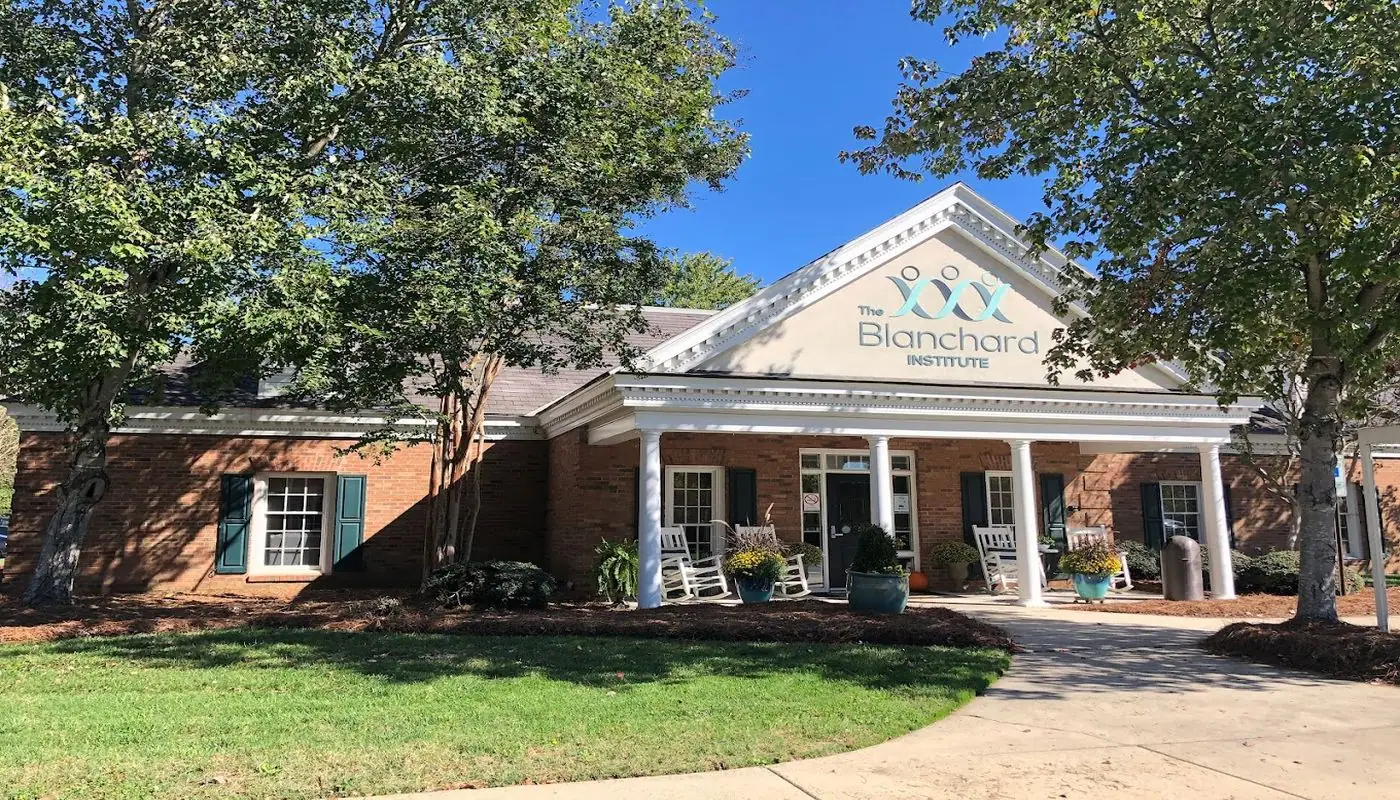
The Blanchard Institute
4.6/5231 Google reviews
- Co-Occurring Mental Health
- Outpatient
The Blanchard Institute Charlotte provides outpatient care for both mental health needs and substance use needs alongside substance misuse.
- 30 days program
-
Charlotte, NC
Grace Healing Journey
- Co-Occurring Mental Health
Grace Healing Journey Charlotte is a small Christian counseling practice in south Charlotte.
- 14+ days program
- 2-5 beds
-
Hillsborough, NC
Hillsborough Comprehensive Treatment
- Outpatient
Hillsborough Comprehensive Treatment Hillsborough provides outpatient care for opioid use disorder.
- 30+ days program
-
Brevard, NC
Tapestry Brevard
- Outpatient
Tapestry Brevard is a treatment center for women located in Brevard, North Carolina.
- 30+ days program
- 16-30 beds
FAQ
Does Hope is Alive Recovery Homes Greenville take insurance?
The ministry publishes a monthly rate rather than insurance details, so coverage is something to confirm by phone with the house and your plan. Because this is sober living, not a clinical level of care, insurance may handle it differently than inpatient treatment. Call the helpline and the home together, ask what documentation they provide, and check whether your plan reimburses any portion before you commit.
How long do people stay at this Greenville sober living home?
The listing gives a typical length of 30 days, but the ministry calls its sober living course 12 to 18 months and reports that most residents finish all 18. Those numbers refer to different things, so ask the house which one would apply to you. Staying longer generally gives a man more time to keep a job, form friendships in North Carolina, and find a church before he leaves.
What are the major drug problems in North Carolina, and does this home address them?
Benzodiazepines, cocaine, heroin, methamphetamine, prescription drugs, ecstasy, psychedelics, and synthetic drugs all appear on the house's list of substances it serves people around. The 430 North Carolina facilities in the SAMHSA FindTreatment.gov listings as of November 1, 2026 span many kinds of need, and this home sits at the housing end, not the medical end. When withdrawal management comes first, a clinician should evaluate the person before any move-in date.
Who qualifies for inpatient rehab, and is this home the same thing?
Inpatient and residential treatment means clinical care at all hours, whereas the Greenville address here is listed as sober living that includes spiritual care. Someone who qualifies for inpatient care generally needs medical monitoring, particularly through alcohol or benzodiazepine withdrawal, which can turn dangerous and belongs under a clinician's oversight. If the right level is unclear, ask the helpline to walk through the choices before you phone the house.
How do I ask about a bed at Hope is Alive Recovery Homes Greenville?
Call the house yourself and ask whether a bed is open for a man or a woman, how the waitlist works, and what the $750 first month and $650 monthly rate include. A counselor can check openings and coverage for you along the way, at no charge and with no signature. If no bed is open, ask what interim housing or outpatient support the ministry can refer you to.
Speak with a person first in Greenville
The helpline is answered around the clock by trained staff, who link callers to licensed treatment providers. There is no cost, your details stay private, and you are free to make no decision whatsoever. If comparing sober living with detox or residential care in North Carolina would help, start with that call and ask what a bed at this Greenville home would truly require.