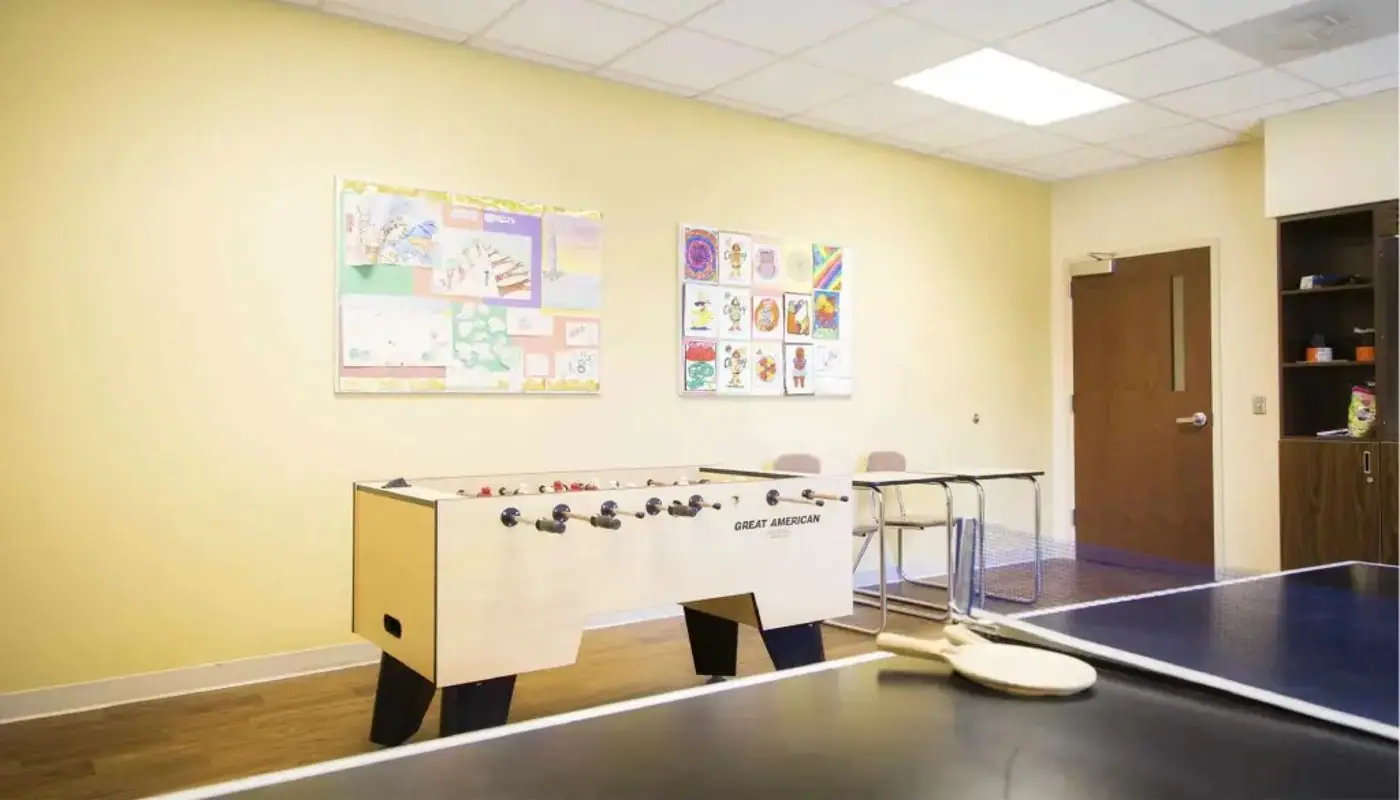
Holly Hill Adult Hospital Raleigh
Holly Hill Adult Hospital in Raleigh offers short, structured inpatient care for adults with combined mental health and substance use needs. It is one of 430 SAMHSA-listed facilities in North Carolina. Here is what the hospital provides and what to ask before you call.
- Joint Commission
- Co-Occurring Mental Health
- Residential Rehab
- 5 days
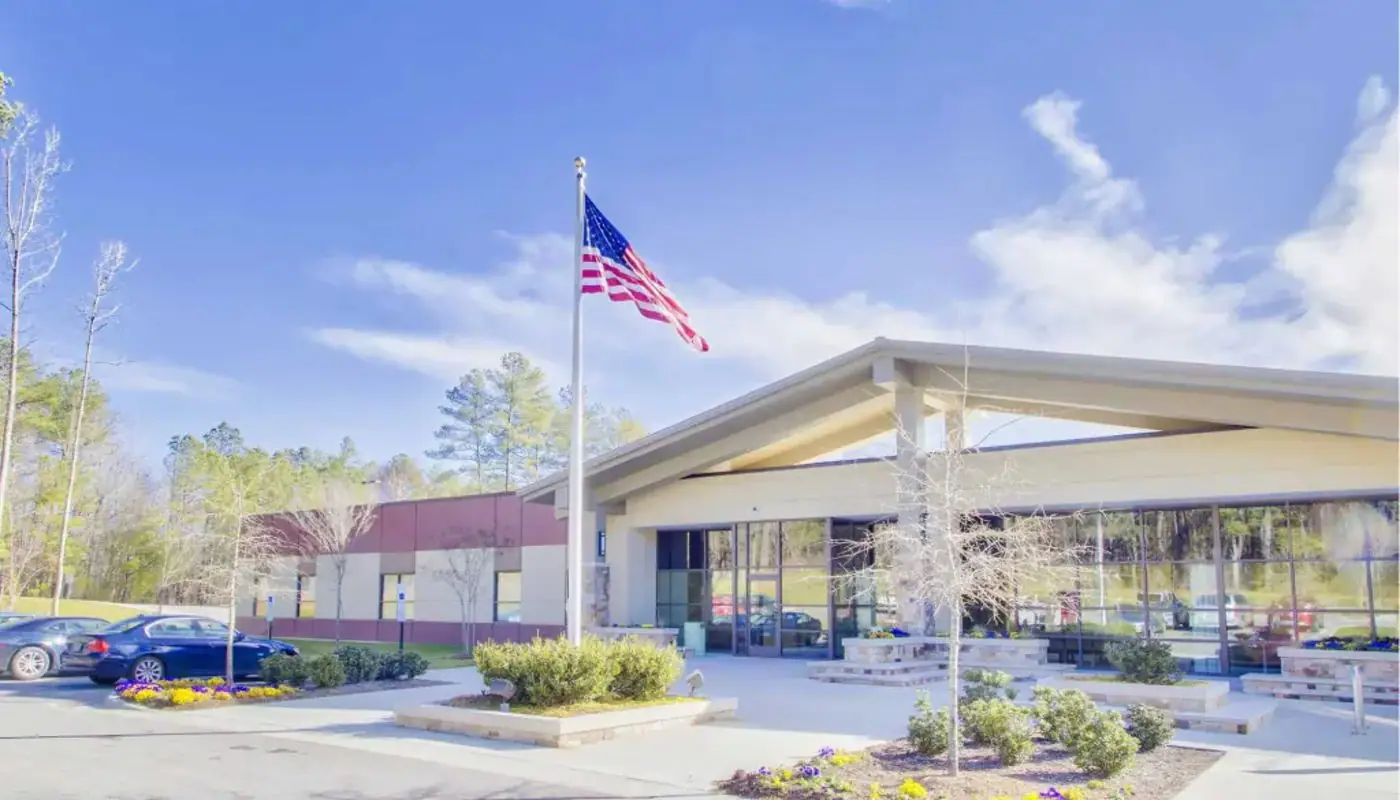
This is a hospital-based inpatient setting in Raleigh, not an outpatient clinic or a long-term residential household. Care is built for adults who need close monitoring while mental health symptoms and substance use are addressed at the same time. Staff organize each stay around that combined picture rather than treating one problem in isolation.
The clinical work leans on evidence-based practice, and families are drawn into the process rather than kept at the door. You can expect a steady daily structure, counselor-led sessions, and a plan that follows you past discharge instead of ending on the last morning. If you are comparing inpatient programs in North Carolina for adults with co-occurring conditions, this is the kind of setting the term describes.
Because the hospital runs confidential evaluations around the clock, a call can happen at any hour, including the middle of the night. That matters when someone is in crisis and the usual office hours have passed.
Holly Hill Adult Hospital Raleigh care
The listing shows two options: mental health care and residential rehab together with substance use. A usual stay lasts five days. That brief period means the work is intense and focused on assessment, meant to stabilize someone rather than guide them through months of treatment. Evidence-based services in North Carolina hospitals like this are typically what insurers and discharge planners inquire about first. If five days proves insufficient, ask about step-down options before admission, not after.
Therapy options consist of individual counseling, dialectical behavior therapy, family therapy, group therapy, life skills training, and recreation therapy. Dialectical behavior therapy is frequently used to help people manage strong emotions and reduce self-harming or impulsive actions, while the life skills and recreation components give the days a practical structure. When you call, ask how these drug and alcohol treatment services in North Carolina are arranged over a five-day stay, because the combination matters as much as the list.
- Life Skills
- Recreation Therapy
- Evidence-Based
- Family Involvement
- 1-on-1 Counseling
- Family Therapy
- Group Therapy
- Dialectical Behavior Therapy
Who this program is built for in Raleigh
- Adults with depression, anxiety, or post-traumatic stress disorder alongside substance use
- People with bipolar disorder or schizophrenia who need close monitoring
- Young adults starting treatment, often for the first time
- Older adults who need medical and psychiatric support together
- Men and women in acute crisis, including people with suicidal thoughts
- Anyone dealing with grief, loss, trauma, or a personality disorder diagnosis
The site and typical stay length
The stated average program length is five days, and the hospital treats men and women, including young adults and older adults, in English. Rooms are air-conditioned, and the grounds include a fitness center and gardens. Care is grouped by age, with a young adult track and a geriatric track that pairs medical with psychiatric support. The building sits on Michael J. Smith Lane near Walnut Creek Wetland Park, and the location is reachable by car or public transit. Residential treatment centers in North Carolina vary widely in size and pace; this one is hospital-based rather than a home-like setting.
Care costs and coverage checks
Cash payment rates are named as a payment method, and insurance questions are best resolved by phone before anyone packs a bag. Ask which plans the hospital is in network with, what a five-day stay would cost under your specific policy, and what paperwork the insurer requires. When you call, ask whether Medicaid in North Carolina plays any role in your situation, since that answer depends on your plan. The helpline can help you work through those calls, and it will not promise that coverage or a bed is available.
Things to confirm before you enroll
- Which insurance plans are accepted, and is this hospital in network for mine?
- What is included in a typical five-day stay, and what results if longer time is needed?
- How are behavioral health and addiction care combined during the day?
- What is the visiting policy, and how are families involved in therapy?
- What discharge planning and follow-up does the hospital arrange before you leave?


More rehabs around Raleigh
-
 Joint Commission
Raleigh, NC
Holly Hill Main Adult Campus
1.8/5195 Google reviews
- Detox
- Co-Occurring Mental Health
- Residential Rehab
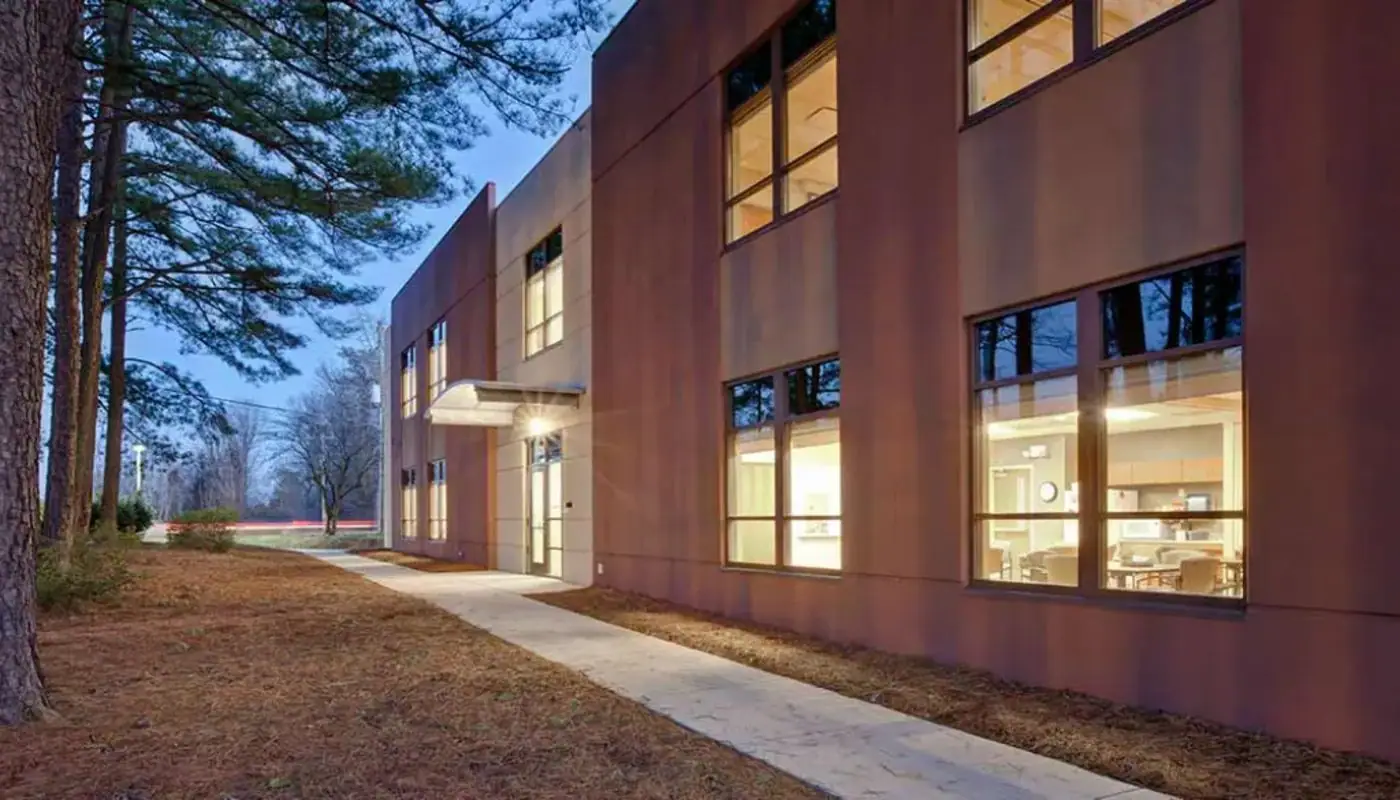
Holly Hill Main Adult Campus Raleigh is a Joint Commission-accredited center for adults.
- 11 days program
-
 Joint Commission
Raleigh, NC
Holly Hill The Pines Outpatient
1.8/5195 Google reviews
- Outpatient
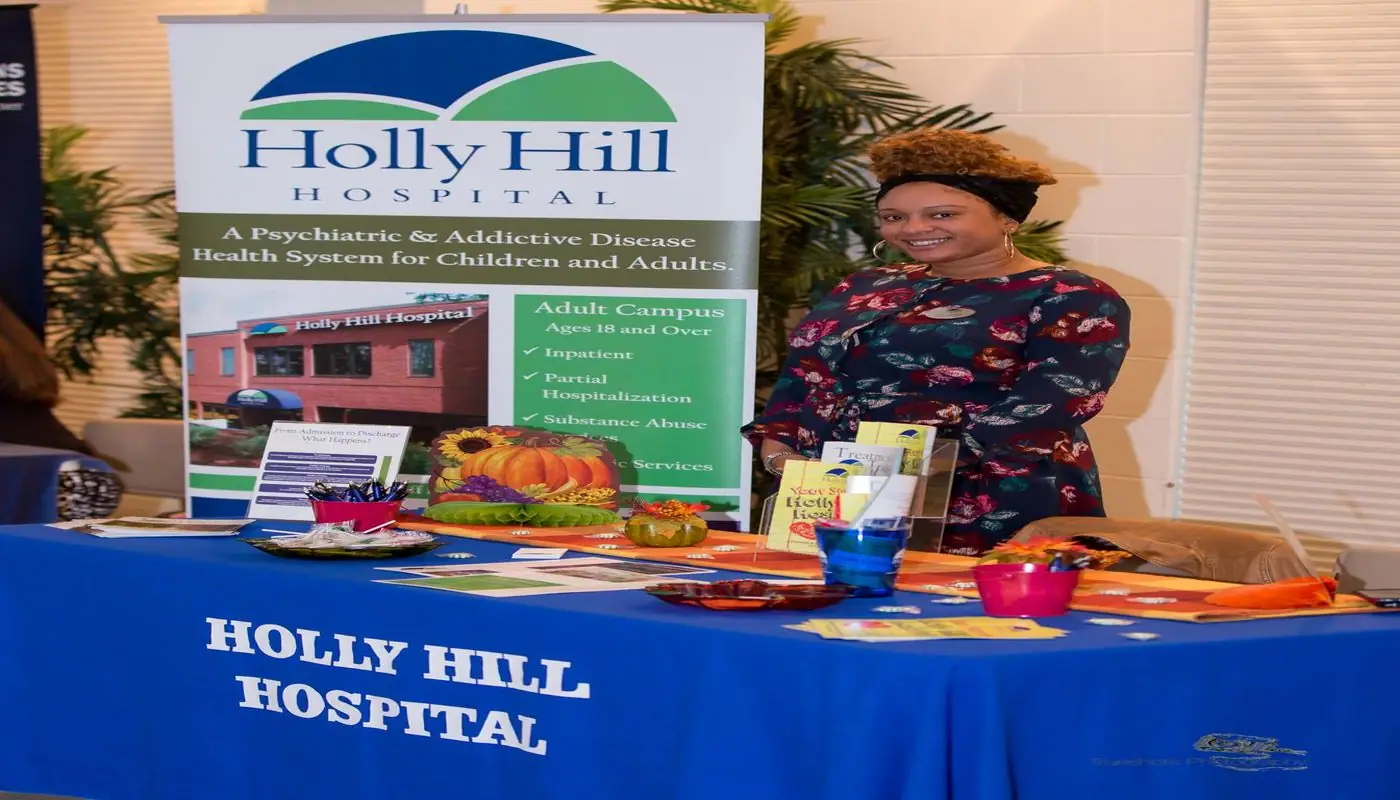
Holly Hill The Pines Outpatient Raleigh offers outpatient care for addiction and mental health.
- 5 days program
-
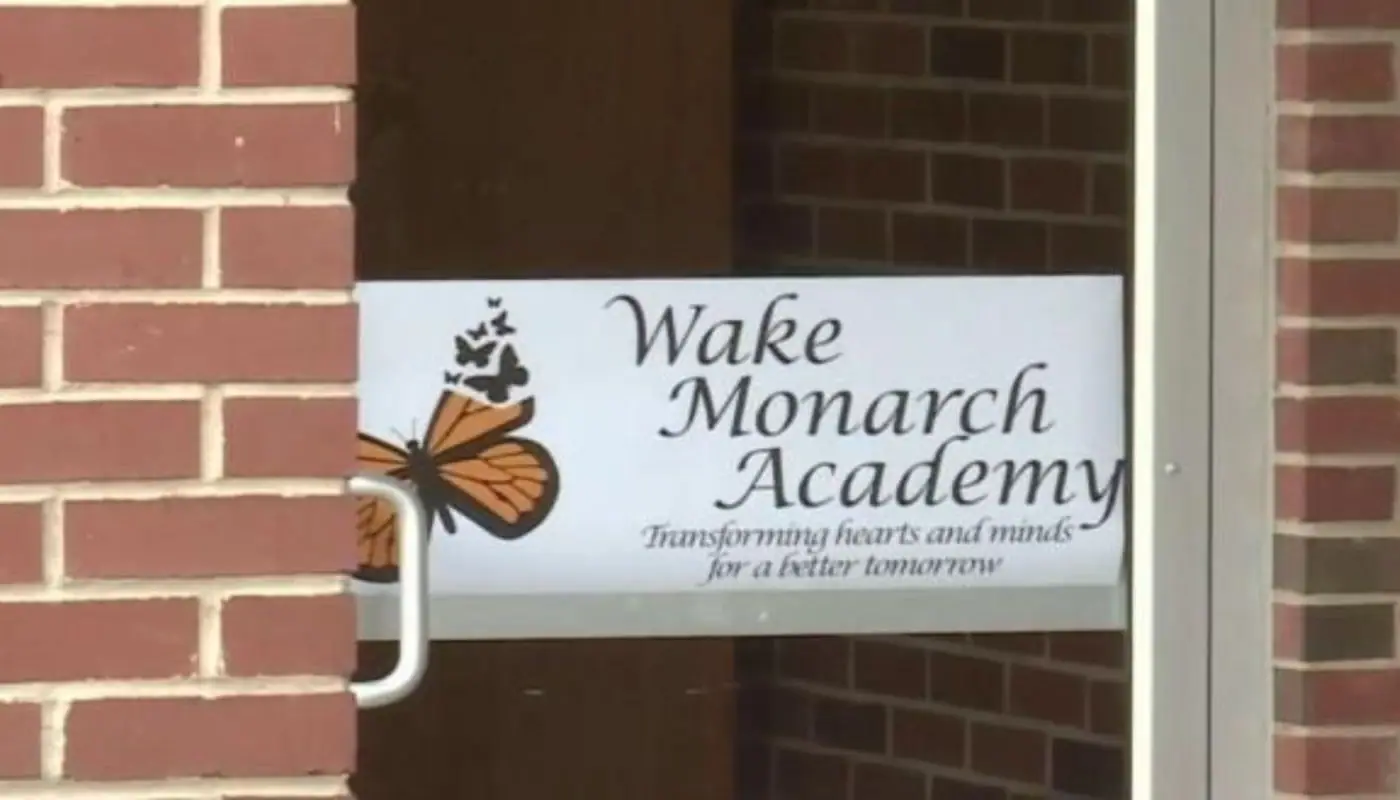
Raleigh, NC
Wake Monarch Academy
- Co-Occurring Mental Health
At Wake Monarch Academy in Raleigh, teenagers receive college-preparatory academics alongside support for recovery.
- 30 days program
-
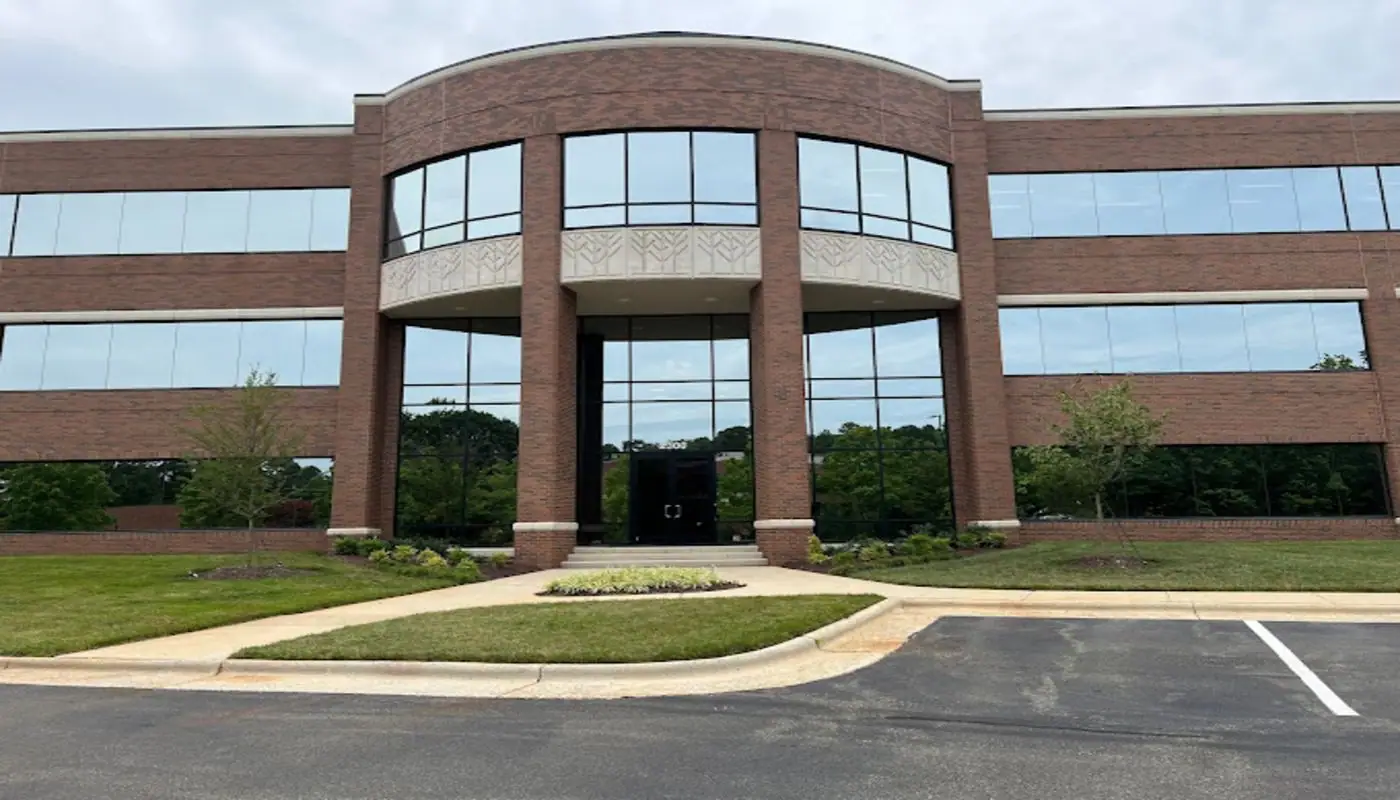
Raleigh, NC
LifeStance Health Raleigh
On Rexwoods Drive in Raleigh, LifeStance Health runs as an independent behavioral health practice.
- 30 days program
- Joint Commission
Raleigh, NC
Holly Hill Children's Hospital
1.8/5195 Google reviews
- Residential Rehab
Holly Hill Children's Hospital Raleigh provides inpatient mental health care for kids and teens who need it.
- 5 days program
-
 Joint Commission
Raleigh, NC
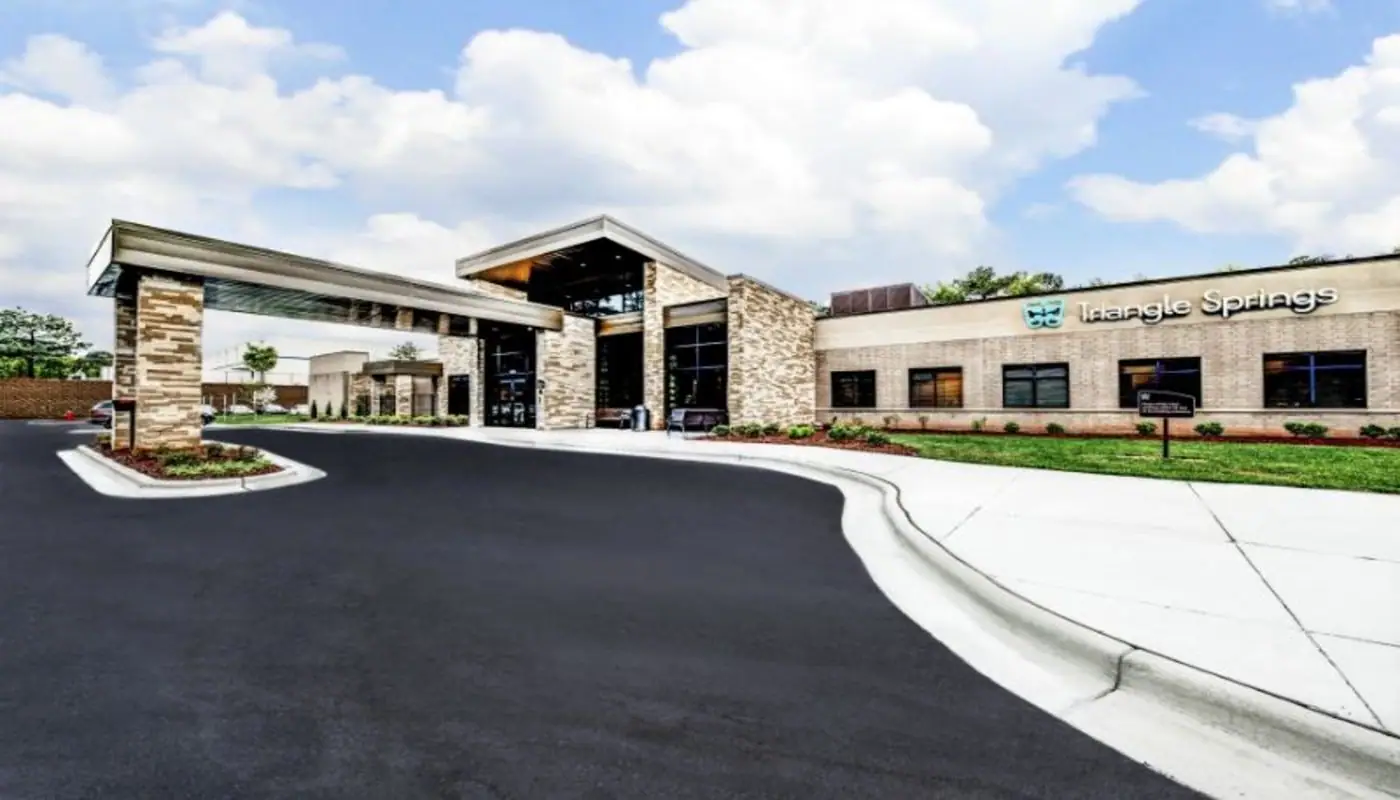
Triangle Springs
- Detox
Triangle Springs Raleigh holds Joint Commission accreditation and is located in North Carolina.
- 7+ days program

FAQ
How long do patients typically stay at Holly Hill Adult Hospital Raleigh?
The typical length of stay listed is five days. That is a short, intensive inpatient stay rather than a months-long residential program, so the focus is stabilization, assessment, and setting up next steps. If you or someone you are calling about needs a longer course of treatment, ask about step-down or outpatient options during the intake conversation, since a five-day window will not fit every situation.
Does North Carolina Medicaid pay for inpatient rehab?
Whether Medicaid covers inpatient care depends on the specific plan and the medical necessity review, so there is no single yes or no. Cash pay rates are listed, and the practical step is to call with your Medicaid plan details and ask what is covered for a five-day stay. The helpline can assist you in preparing those questions; it does not determine eligibility or promise payment.
What are the major drug problems in North Carolina?
State and national reporting commonly points to opioids, including fentanyl, along with alcohol and methamphetamine as leading concerns, though this page does not cite a specific count. What matters locally is that Raleigh has inpatient options for people whose substance use is tangled with depression, anxiety, trauma, or psychosis, which is exactly the co-occurring group this hospital describes treating.
Who qualifies for inpatient care at this Raleigh hospital?
Admission is a clinical decision made by the hospital, typically for adults who need close monitoring because of mental health symptoms, substance use, or both, and who may be at risk of harming themselves. The center lists treatment for depression, anxiety, bipolar disorder, schizophrenia, trauma, and suicidality. A phone assessment is how eligibility gets sorted out; no website can confirm a bed.
Which insurance questions should I raise before admission?
Ask whether the hospital is in network with your specific plan, what a five-day stay would cost under your policy, and what paperwork the insurer requires for authorization. SAMHSA counts 430 listed facilities in North Carolina, so options exist, but coverage varies by plan. The helpline is able to help you prepare these questions; it does not verify benefits or guarantee admission.
Talk it over before you commit
Dialing the number on this page reaches trained advisors who can explain how the call works, help you check availability at Holly Hill Adult Hospital, and walk through insurance questions with you. Calling is free and confidential. Drug rehab centers in North Carolina differ in what they offer, and a short conversation is a reasonable place to start sorting that out.