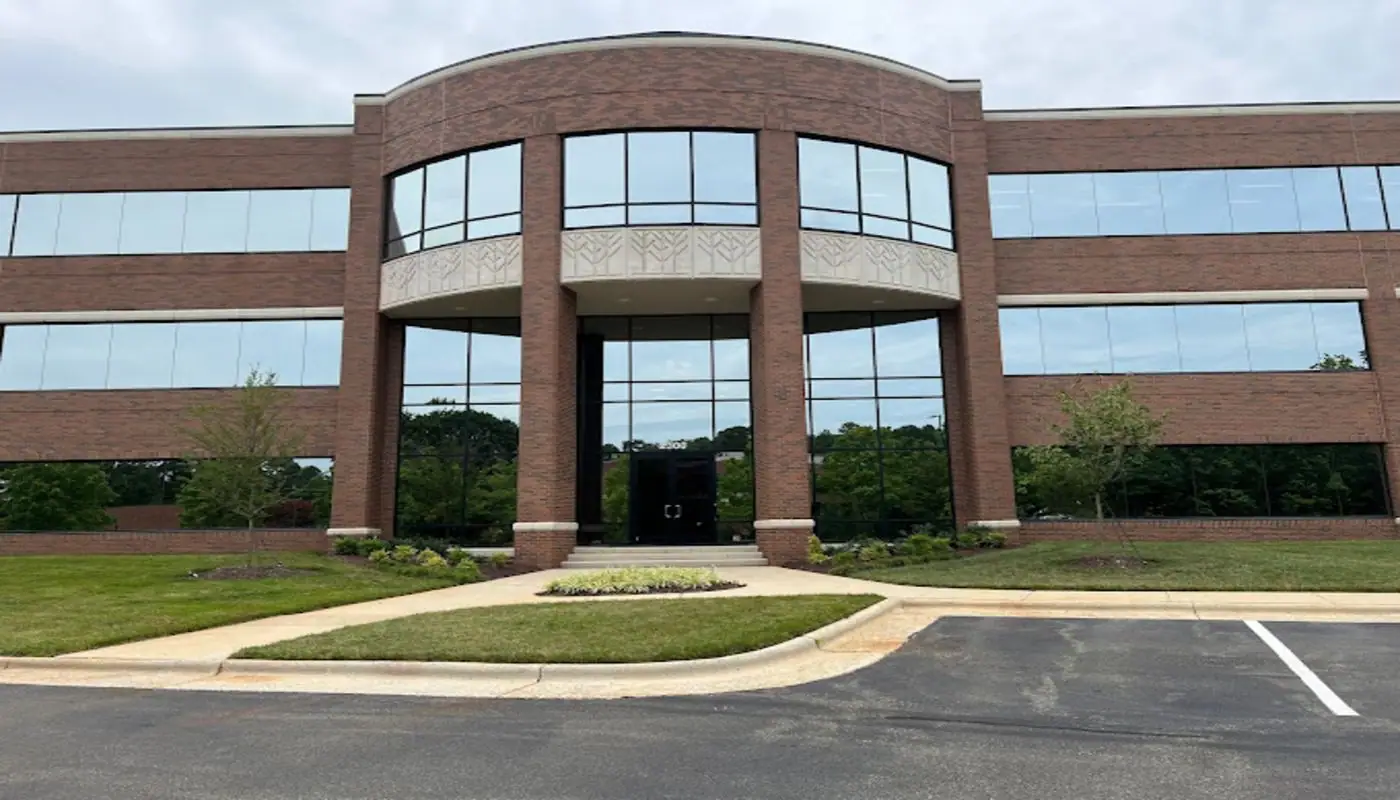
LifeStance health Raleigh
On Rexwoods Drive in Raleigh, LifeStance Health runs as an independent behavioral health practice. Among the 430 facilities in North Carolina that appear on SAMHSA listings, it is one where counseling and medication management are provided side by side. What follows explains what the practice provides, so you know what to expect ahead of a call.
- 30 days
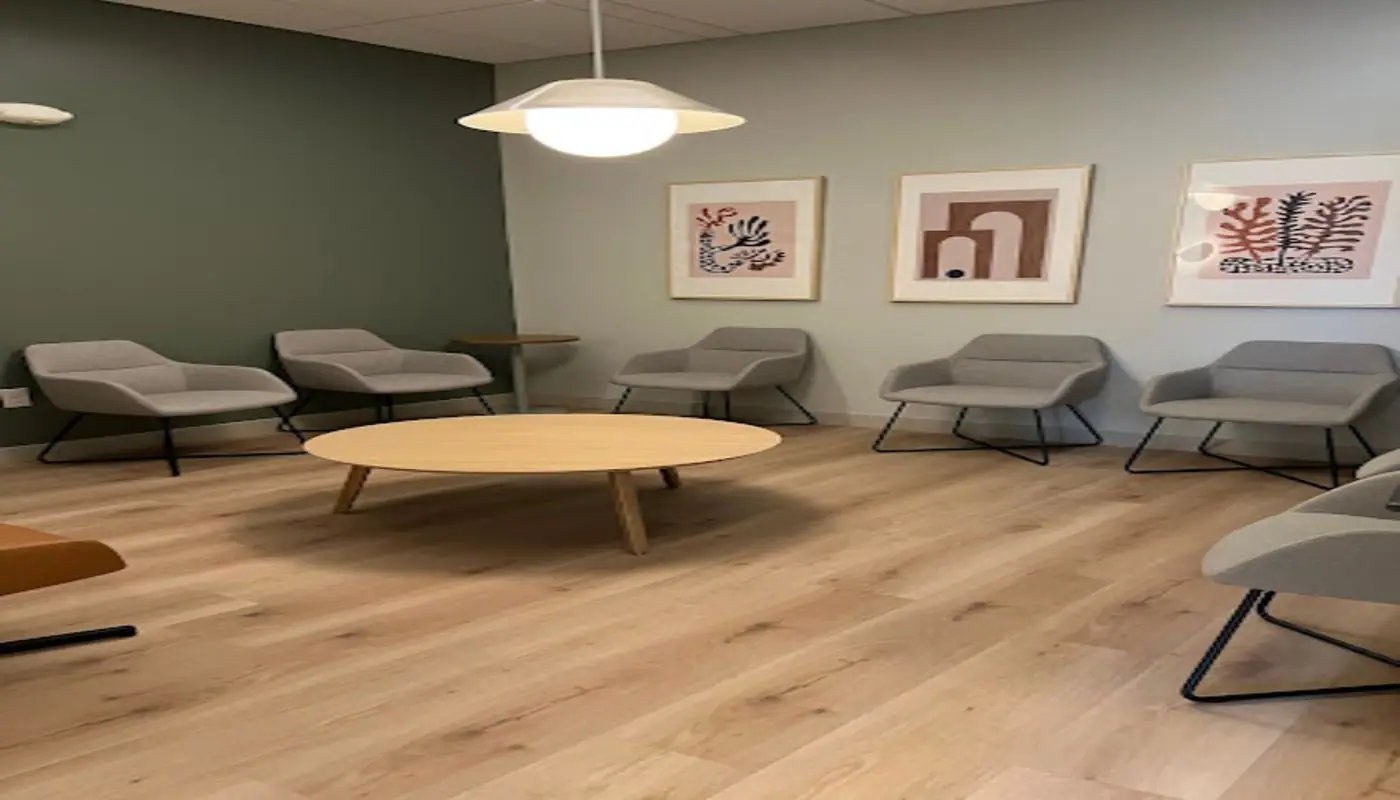
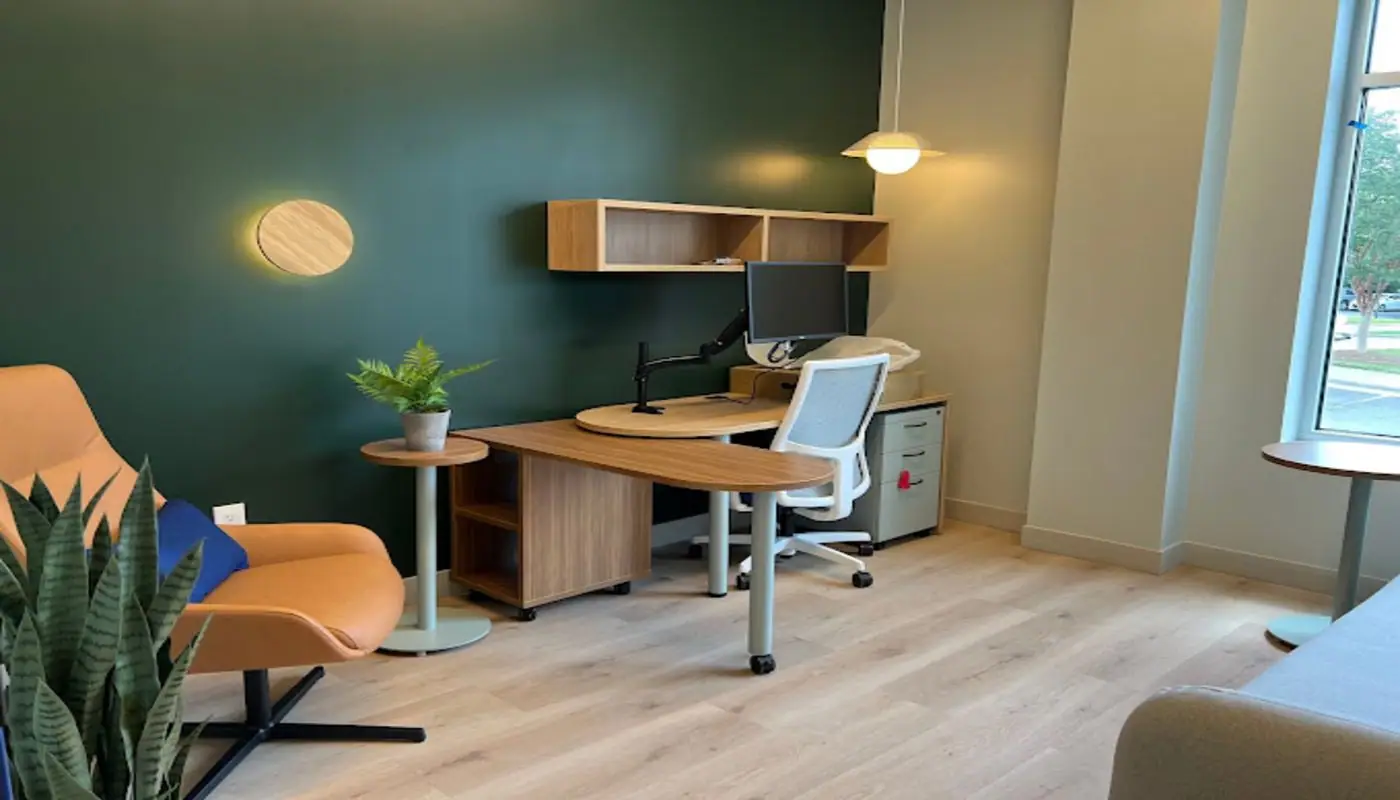
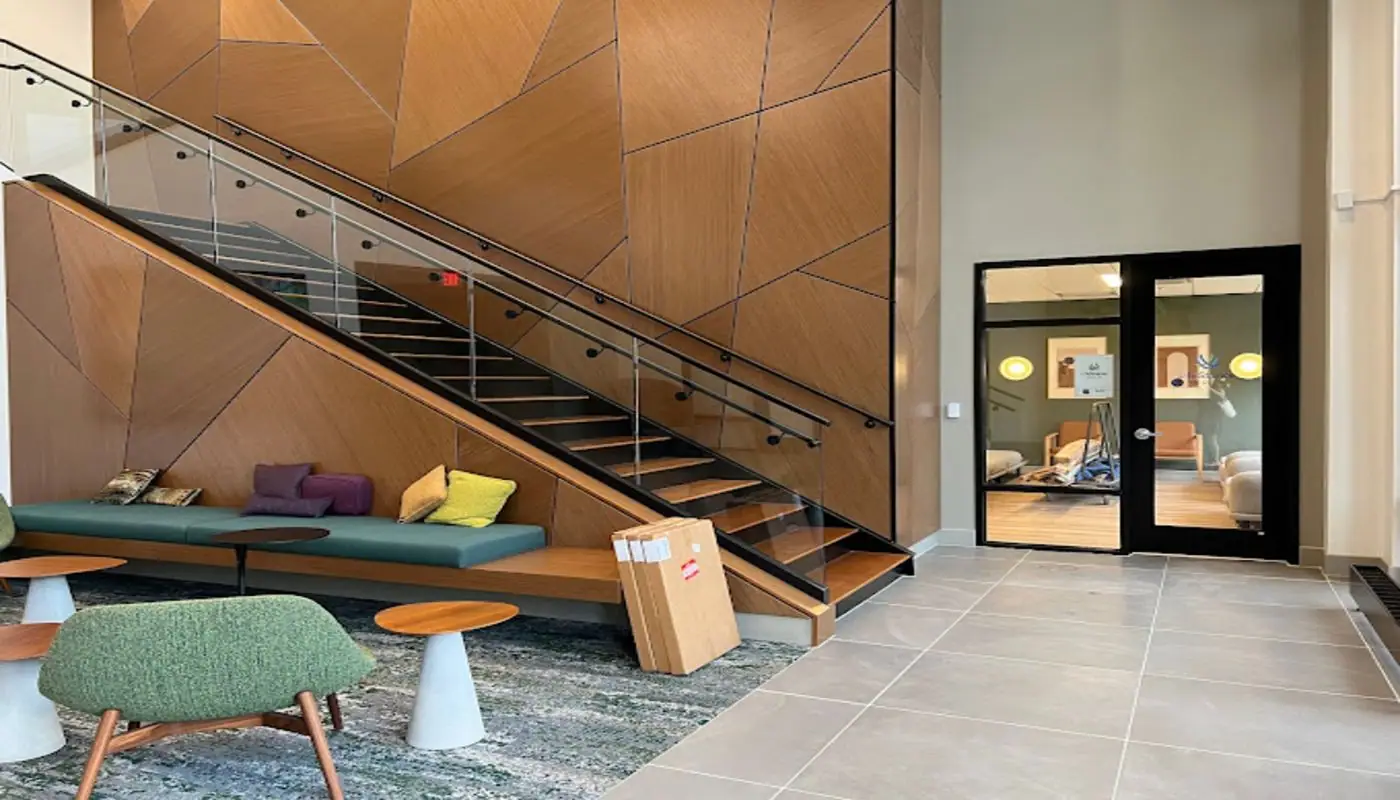
The practice sits roughly a mile from the North Carolina Museum of Art and Rodin Garden, which makes it reachable for people across west Raleigh and nearby suburbs. Its clinicians handle a broad range of emotional and behavioral concerns for children, teenagers and adults, and each one narrows their work to particular age groups or problems rather than treating everything.
Care is built around evidence-based methods and an individualized plan, so the first appointments are usually about understanding your situation and deciding what support fits. The practice also treats substance use, which means alcohol and drug concerns can be addressed alongside conditions like anxiety or depression instead of in a separate setting.
Because clinicians differ in focus, the match between you and your therapist matters more here than the building does. You can ask which clinician works with your age group and concern, and you can ask about insurance before scheduling so there are no surprises at the first bill.
Therapy approaches at LifeStance Raleigh
The practice lists nine therapy options, covering one-on-one counseling, dialectical behavior therapy acceptance and commitment therapy along with cognitive behavioral therapy, family therapy, group therapy, narrative therapy, solution focused goal-oriented therapy and online therapy. If you prefer structured work aimed at goals, solution focused therapy offers a clear frame, while DBT fits people who struggle with intense emotions.
The methods are described as evidence-based, individual and strengths-based. For someone considering alcohol rehab in North Carolina, this practice addresses alcohol and drug concerns with outpatient therapy instead of residential care, so it suits people who can remain at home and keep up daily duties. If your situation calls for 24-hour monitoring, then a higher level of care is the safer place to begin, and worth bringing up on the phone.
- Family Therapy
- Cognitive Behavioral Therapy
- Narrative Therapy
- 1-on-1 Counseling
- Individual Treatment
- Evidence-Based
- Group Therapy
- Acceptance and Commitment Therapy (ACT)
- Solution Focused, Goal-Oriented Therapy
- Dialectical Behavior Therapy
Who the practice is built for in Raleigh
- Children and adolescents, including families seeking parenting support
- Adults of every gender, with men and women seen one-on-one or as couples
- Veterans and first responders
- People with mild disabilities, including neurodivergent clients and those on the autism spectrum
- Adults dealing with anxiety, depression, bipolar disorder, OCD, trauma or grief
- People with alcohol or drug concerns who can manage in outpatient care
Environment, tongues, and duration
Appointments are offered Monday through Thursday, 9:00 a.m. to 6:00 p.m., and Friday, 9:00 am until 5 00 pm. The practice lists a usual program length of 30 days, though therapy often continues longer depending on your goals. Clinicians meet clients in English, Greek and Mandarin, which helps when you or a relative feel more at ease outside English. Telehealth counseling is also listed, useful for anyone in the area who cannot make it to the office weekly.
Paying for care at this Raleigh practice
Cash pay rates are listed, and the practice notes that clients can choose a therapist who fits their insurance coverage. Insurance networks vary by clinician, so verify your plan and benefits by phone before the first visit. If cost is a barrier, then ask whether a different clinician at the same address is in network, since that single question can change what you owe each session.
Good questions before you book
- Which clinician works with my age group and my main concern?
- Do you take my insurance plan, and what would each session cost me?
- Do you treat substance use directly, or would you refer me elsewhere for alcohol or drug care?
- Is telehealth an option for my appointments, and does it change the cost?
- If my situation calls for more than outpatient therapy can provide, who arranges the next level of care?

More rehabs around Raleigh
-
 Joint Commission
Raleigh, NC
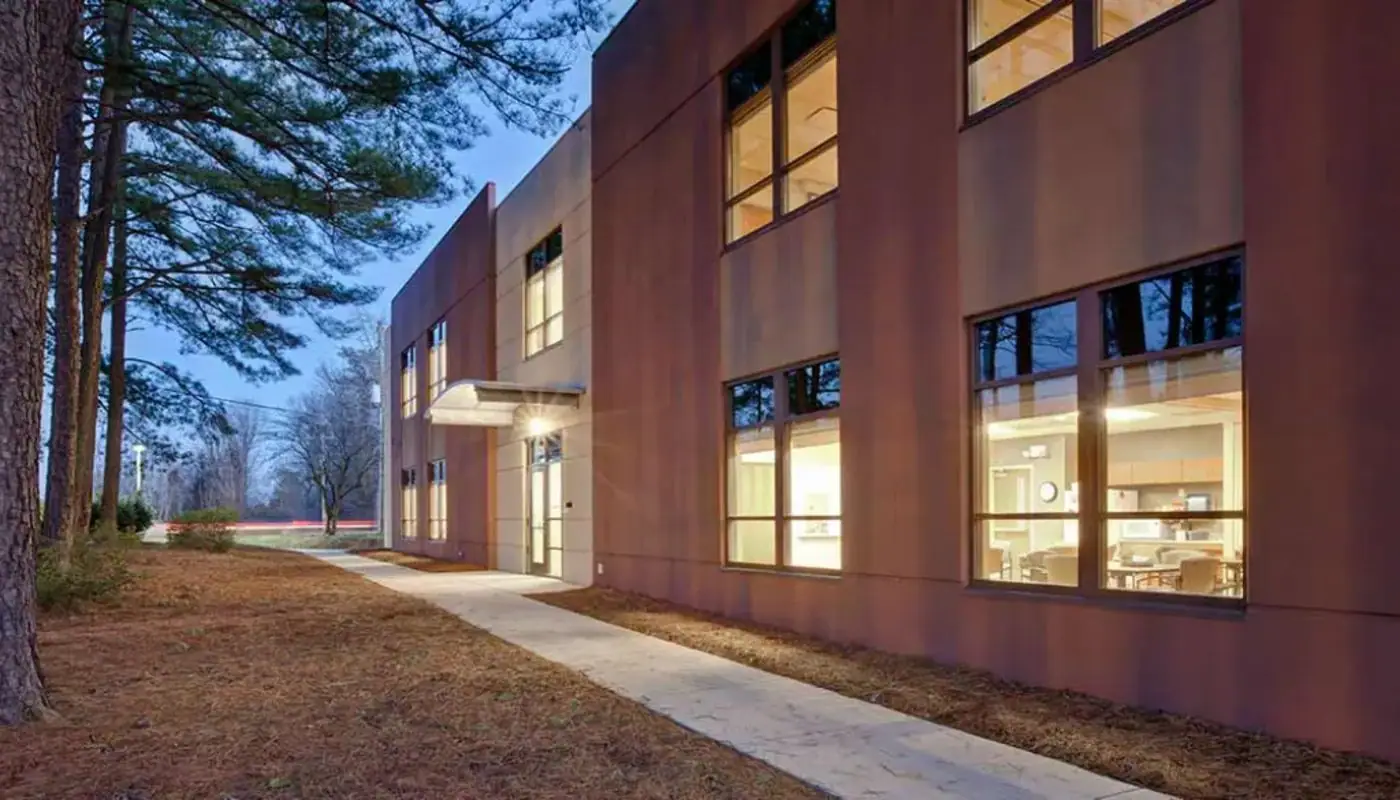
Holly Hill Main Adult Campus
1.8/5195 Google reviews
- Detox
- Co-Occurring Mental Health
- Residential Rehab
Holly Hill Main Adult Campus Raleigh is a Joint Commission-accredited center for adults.
- 11 days program
-
 Joint Commission
Raleigh, NC
Holly Hill The Pines Outpatient
1.8/5195 Google reviews
- Outpatient
Holly Hill The Pines Outpatient Raleigh offers outpatient care for addiction and mental health.
- 5 days program
-

Raleigh, NC
Wake Monarch Academy
- Co-Occurring Mental Health
At Wake Monarch Academy in Raleigh, teenagers receive college-preparatory academics alongside support for recovery.
- 30 days program
-
 Joint Commission
Raleigh, NC
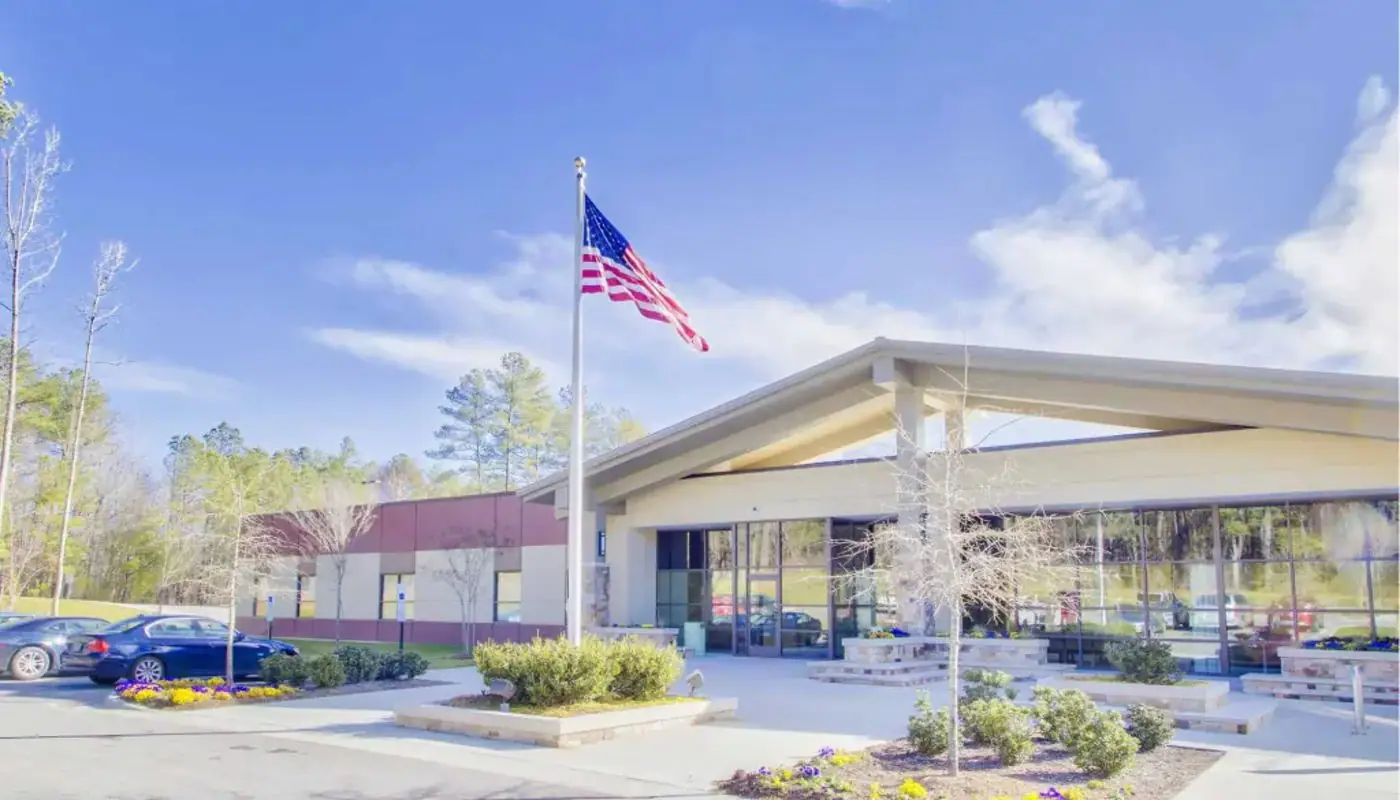
Holly Hill Children's Hospital
1.8/5195 Google reviews
- Residential Rehab
Holly Hill Children's Hospital Raleigh provides inpatient mental health care for kids and teens who need it.
- 5 days program
-
 Joint Commission
Raleigh, NC
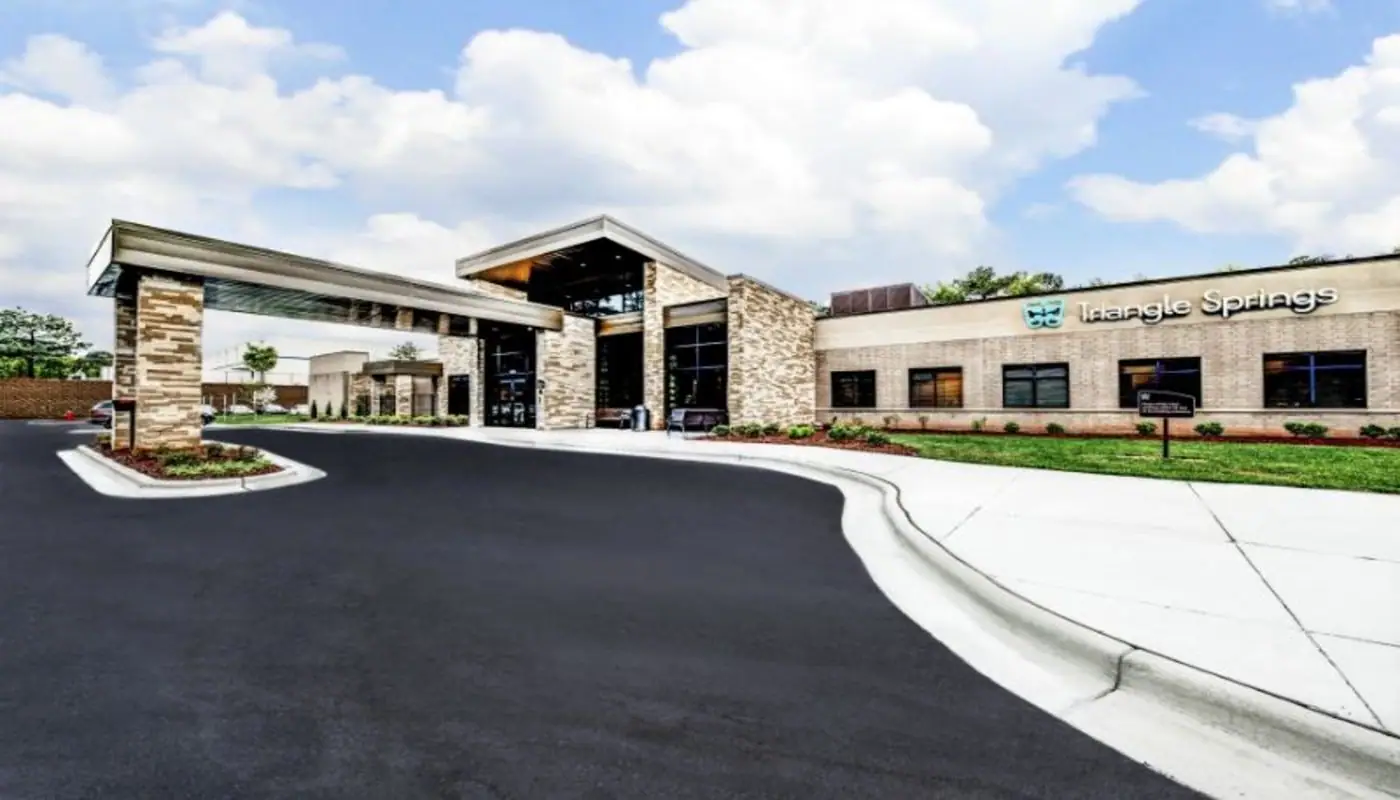
Triangle Springs
- Detox
Triangle Springs Raleigh holds Joint Commission accreditation and is located in North Carolina.
- 7+ days program
-
Raleigh, NC
New Waters Recovery
4.7/564 Google reviews
- Detox
New Waters Recovery Raleigh is a detox center in Raleigh, North Carolina.
- 10 days program
- 31-50 beds
FAQ
Does LifeStance Health Raleigh accept Medicaid for rehab in North Carolina?
Cash pay rates are shown in the listing, but Medicaid is not listed among payment options, so call to confirm which plans are accepted. North Carolina Medicaid covers some behavioral health services, though coverage varies by plan and clinician. Before scheduling, ask about your specific plan, and whether another clinician at the same office is in network.
What does LifeStance Health Raleigh treat?
The practice treats mental health conditions such as anxiety, depression, bipolar disorder, OCD, trauma, grief, eating disorders and schizophrenia, and it also lists alcohol and drug concerns. Care is outpatient and built on nine therapy options, such as dialectical behavior therapy and cognitive behavioral therapy. If you need 24-hour monitoring, ask about a referral to a residential program instead.
Typically how long do people stay in treatment at this center?
A program length is usually listed as 30 days, though outpatient therapy often runs longer depending on your goals and progress. Sessions happen weekly or as agreed with your clinician, and you can stop or adjust at any point. During the first call, ask how many sessions your clinician usually recommends for a concern like yours.
Which languages are available at this Raleigh practice?
Clinicians here see clients in English, Greek and Mandarin, which is useful for people in the area who think more clearly in another language. Language matching depends on the individual clinician's schedule, so mention your preference when you call. Telehealth counseling is also listed, which can make matching easier if the right clinician is not in the office on your preferred day.
Is LifeStance Health Raleigh a good fit for alcohol rehab in North Carolina?
The practice treats alcohol and drug concerns through outpatient therapy, not residential care, so it suits people who can stay at home and keep daily obligations. If you need 24-hour monitoring or medical detox, a higher level of care is safer. Call the practice to ask whether they can coordinate with a detox program, and ask the helpline about local options.
Checking availability at LifeStance
For North Carolina, this practice appears among the listed outpatient choices, and staff at the front desk can tell you which clinicians currently have openings and which insurance plans they accept. When it is unclear whether therapy is the right level of care, a helpline at no charge can help you think it through before deciding. Trained advisors answer that line and connect callers with licensed treatment providers; calls cost nothing and ask nothing of you, your privacy is respected, and the next move is yours to make. Reach out whenever you like, day or night, with questions about availability, coverage, and how a first appointment works.