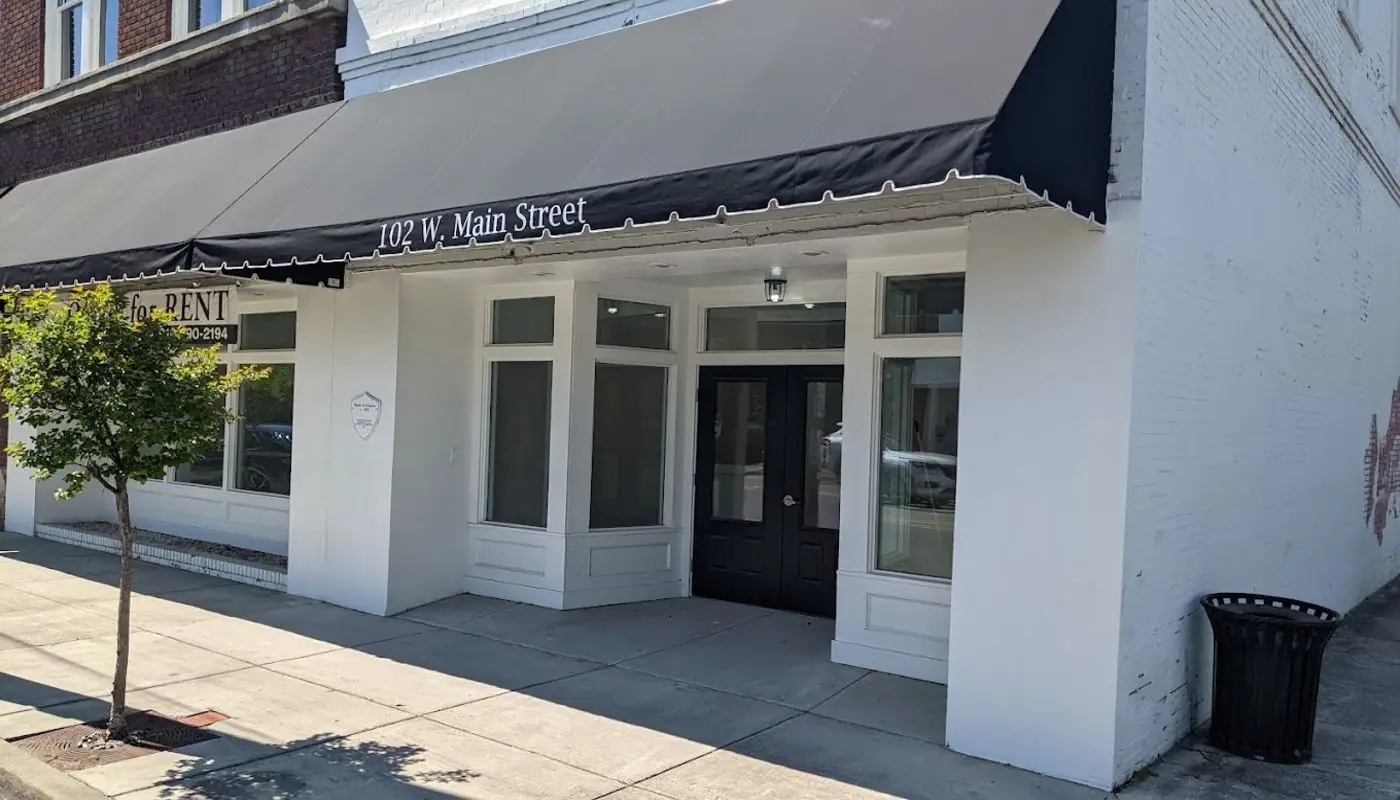
Focused addiction recovery Wallace
Focused Addiction Recovery Wallace runs an outpatient clinic on West Main Street. It is one of 430 SAMHSA-listed facilities in North Carolina. Care here pairs substance use treatment with mental health support.
- Co-Occurring Mental Health
- Outpatient
- 30 days
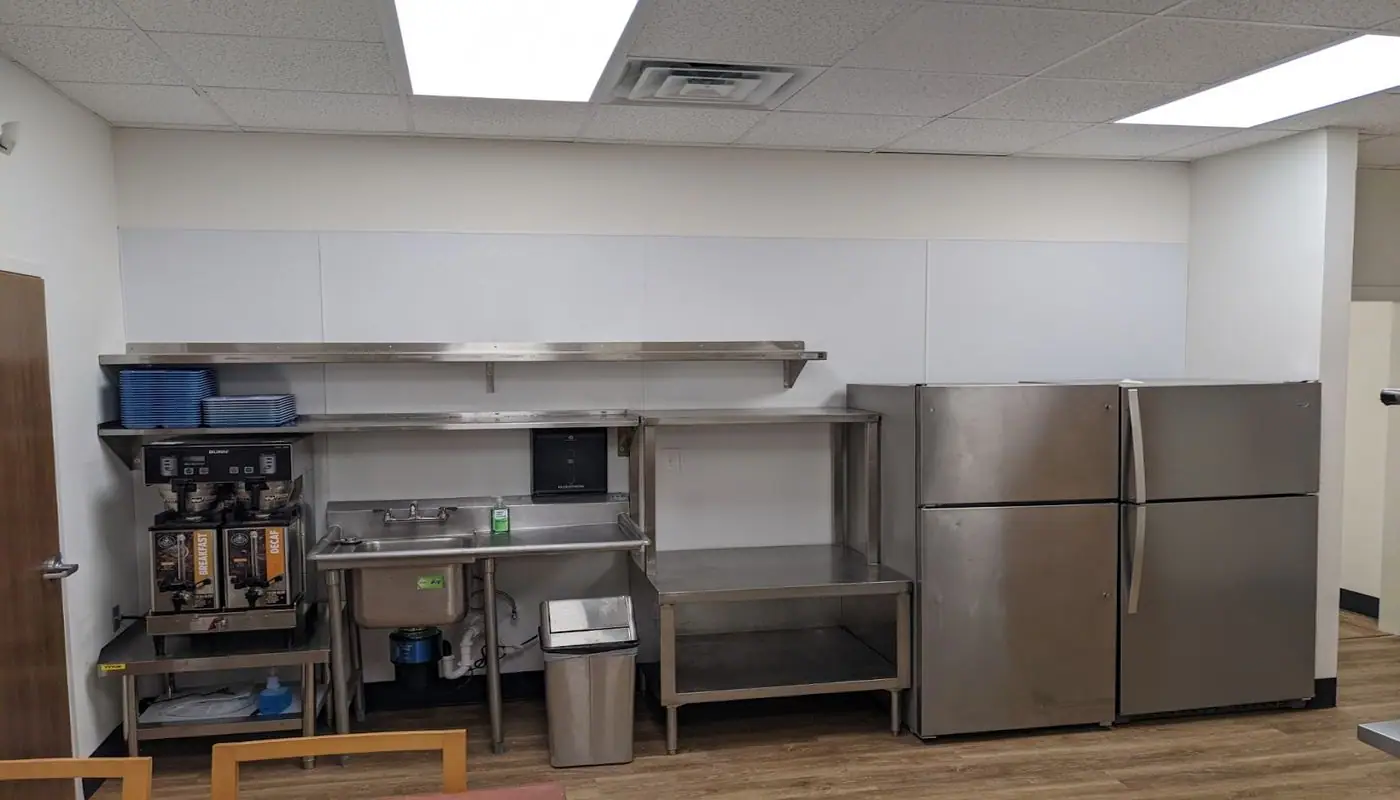
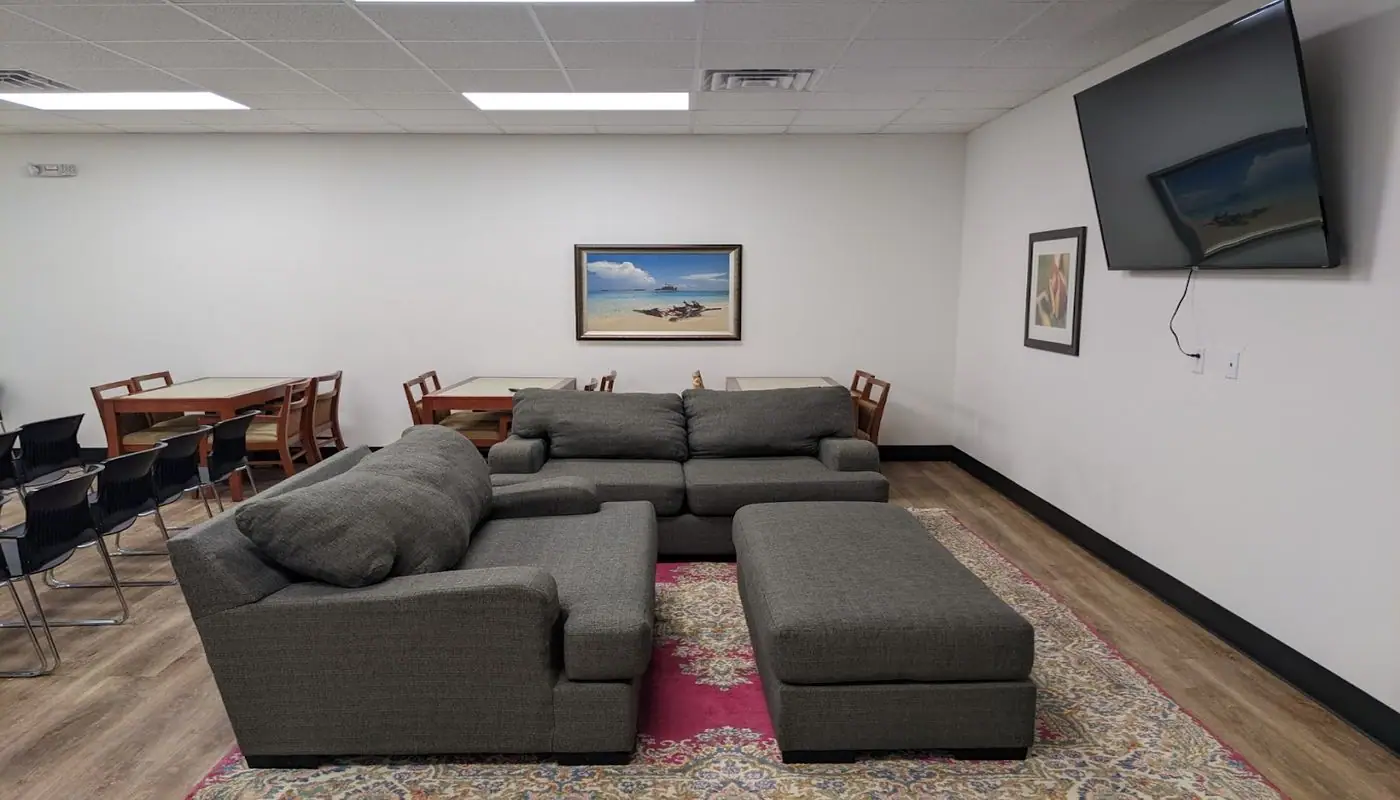
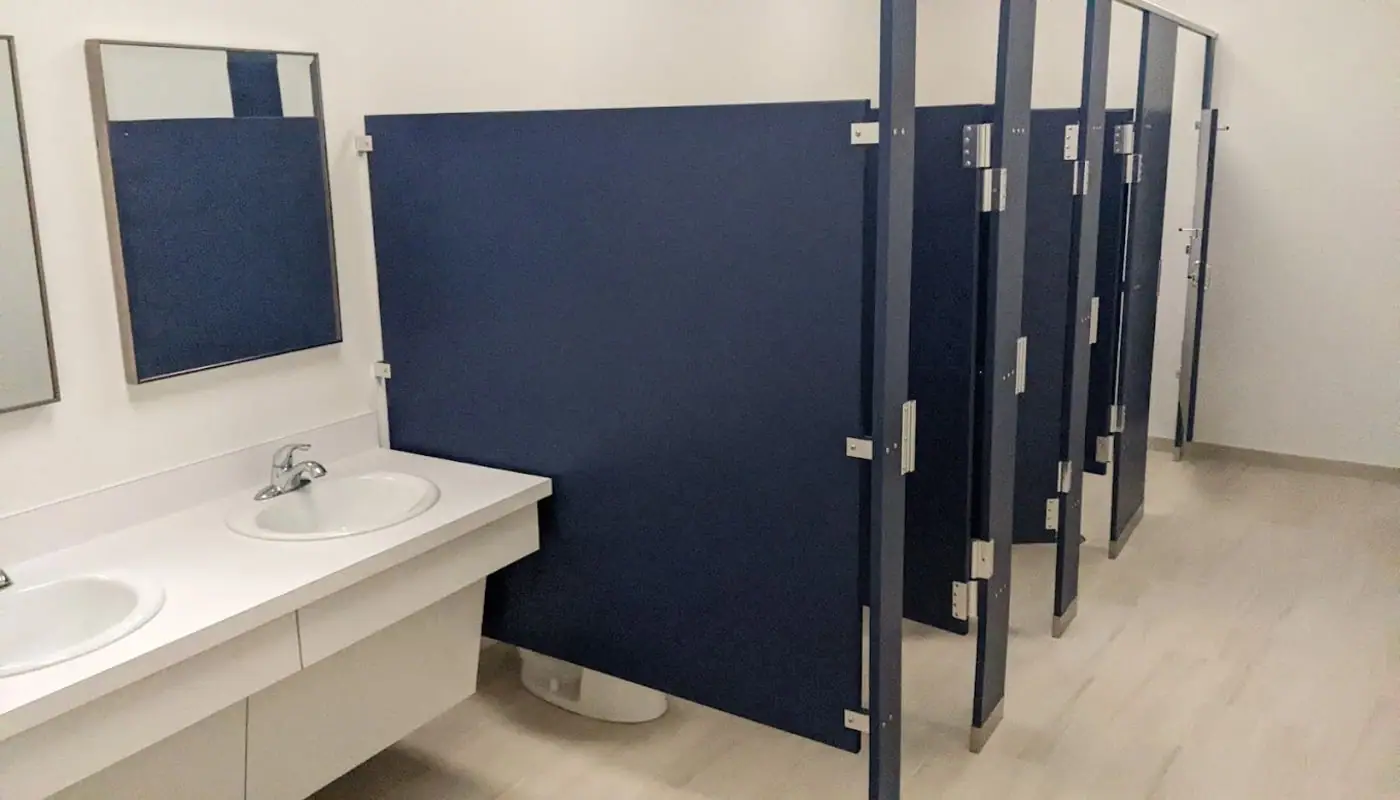
This is an outpatient clinic, not a place where people stay overnight. It serves adults facing drug or alcohol problems alongside mental health needs alongside substance use, and it provides that care on an outpatient basis. In practice, people attend scheduled programming and afterward return to their own homes and daily obligations. The clinic began operating in 2021 and offers services in English.
Care here stretches from outpatient detox through relapse prevention, and much of it is built around the 12-step framework. The clinic describes its approach as holistic and evidence-informed, with treatment plans written person by person. Someone who needs a high level of structure and someone who needs a few hours a week can both be served here, just at different levels of care.
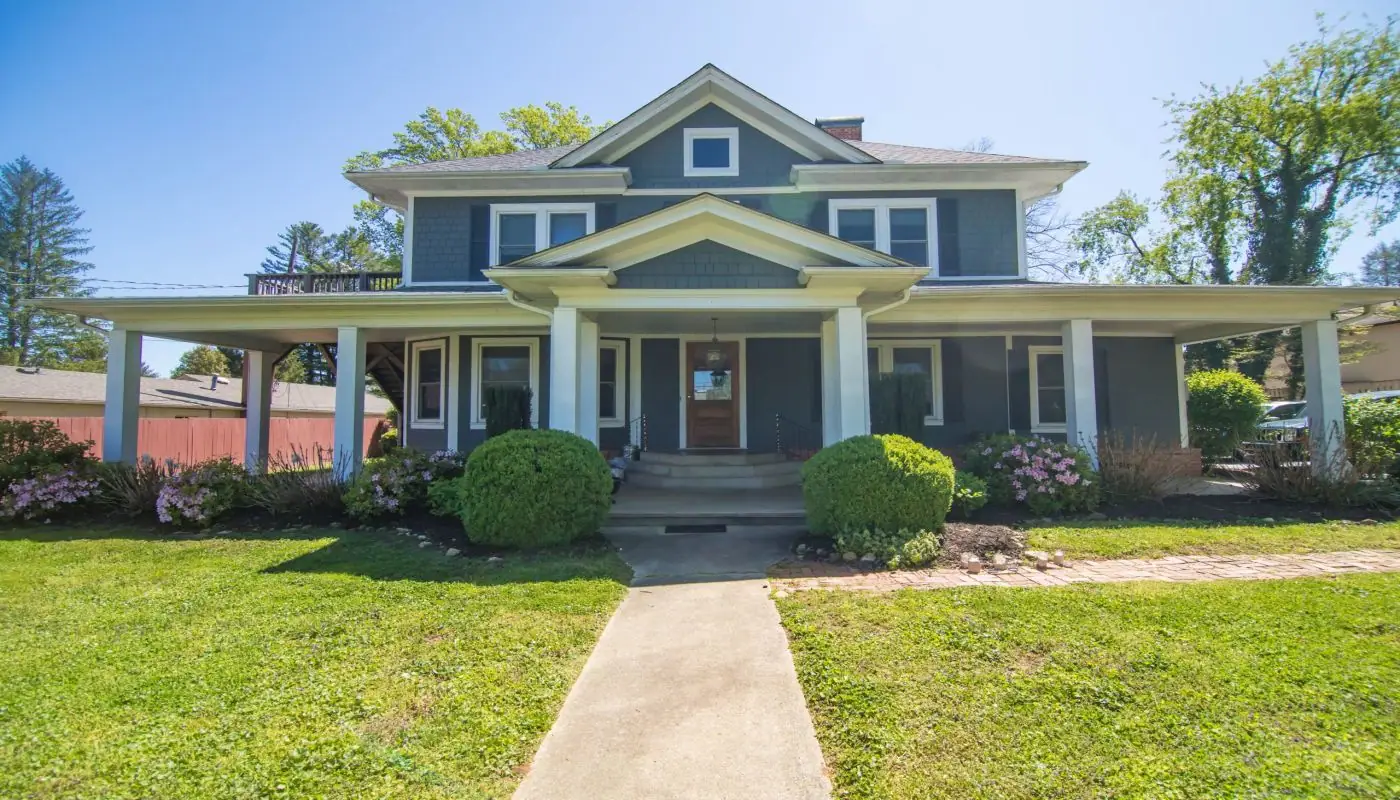
Because treatment happens without an overnight stay, the fit depends on stability at home, transportation to Wallace, and how much support a person needs between sessions. Those are worth discussing plainly on the first call.
Programs and levels of care in Wallace
Outpatient care in North Carolina spans partial hospitalization down to weekly therapy, arranged in several levels of structure. Children and adults who need the most support can enter partial hospitalization, where they receive intensive help yet continue living at home. Sessions usually run 3 to 5 days each week, 4 to 6 hours per day. Some people move into this level after finishing residential treatment.
The intensive outpatient program is the usual next step, with 3 to 4 days a week at 2 to 4 hours a day. Some people start there directly. The clinic also offers a virtual version for people who cannot travel to Wallace regularly. A general outpatient option covers ongoing private therapy in person or online.
Sessions come in several formats: one-on-one counseling, groups, family work using cognitive behavioral therapy and dialectical behavior therapy along with counseling, art therapy, practice with daily living skills, guidance on nutrition, and an orientation to the 12-step approach. Drug and alcohol rehab services at this clinic address co-occurring disorders in the same setting. A care plan might also involve managing medications and medication-assisted treatment. Outpatient detox is offered, and day treatment is among the specializations the clinic lists.
For someone needing detox in North Carolina, the outpatient setting means withdrawal is monitored in clinic rather than overnight. Withdrawal from alcohol and from benzodiazepines can turn medically dangerous, so a clinician should judge whether this level is safe. Should the assessment indicate a need for 24-hour care, staff can direct the person to a higher level of care.
- Introduction to the 12 Step Program
- Cognitive Behavioral Therapy
- Holistic
- Family Therapy
- Dialectical Behavior Therapy
- Group Therapy
- 1-on-1 Counseling
- Evidence-Based
- Nutrition Counseling
- Art Therapy
The people this program takes in
- Adults who have a substance use disorder and are able to stay at home while coming in for scheduled sessions.
- People managing alcohol, benzodiazepine, opioid, heroin, cocaine, methamphetamine, or prescription drug use.
- Men and women who have co-occurring conditions such as anxiety, depression, bipolar disorder, PTSD, trauma, personality disorders, or schizophrenia.
- People stepping down from residential treatment who want continued structure.
- Individuals who need a DWI support program or ongoing relapse prevention counseling.
Place, length, and amenities in Wallace
Programs usually run 30 days, though the clinic adjusts the length to the individual and the level of care. The location is a clinic on West Main Street in Wallace, not a residential building, and it has a kitchenette, a shared bathroom, a TV, and a business center with computers on hand. Groups are held in English, and AA and NA meetings fit into the weekly schedule. If someone needs an inpatient bed in North Carolina, this outpatient clinic is not that setting, and staff can tell them so right away.
- Kitchenette
- Business Center, Computers
- Shared Bathroom
- TV
Paying for treatment in Wallace
The payment options include cash pay rates the clinic lists, and insurance coverage has to be verified by phone before anyone relies on it. Prices differ by level of care, so ask for the rate of the specific program you are considering. The helpline can help a caller confirm what a plan covers and what the clinic charges; calling costs nothing, stays private, and puts no one under any commitment to treatment.
Things to confirm before you enroll
- What level of care does the assessment suggest, and how many hours per week does that involve?
- What does the program cost at that level, and what will my insurance actually pay?
- How is outpatient detox monitored, and who do I call if withdrawal gets worse at home?
- Can family members join sessions, and how often?
- What takes place once the 30 days are over, and what aftercare gets set up?

Other programs to consider
-
North Wilkesboro, NC
North Wilkesboro Comprehensive
- Outpatient
North Wilkesboro Comprehensive Treatment North Wilkesboro is an outpatient clinic for opioid use disorder.
- 30+ days program
-

Charlotte, NC
High Focus Charlotte
- Outpatient
High Focus Charlotte is an outpatient treatment center on Queens Road in Charlotte.
- 90+ days program
-
 Joint Commission
Charlotte, NC
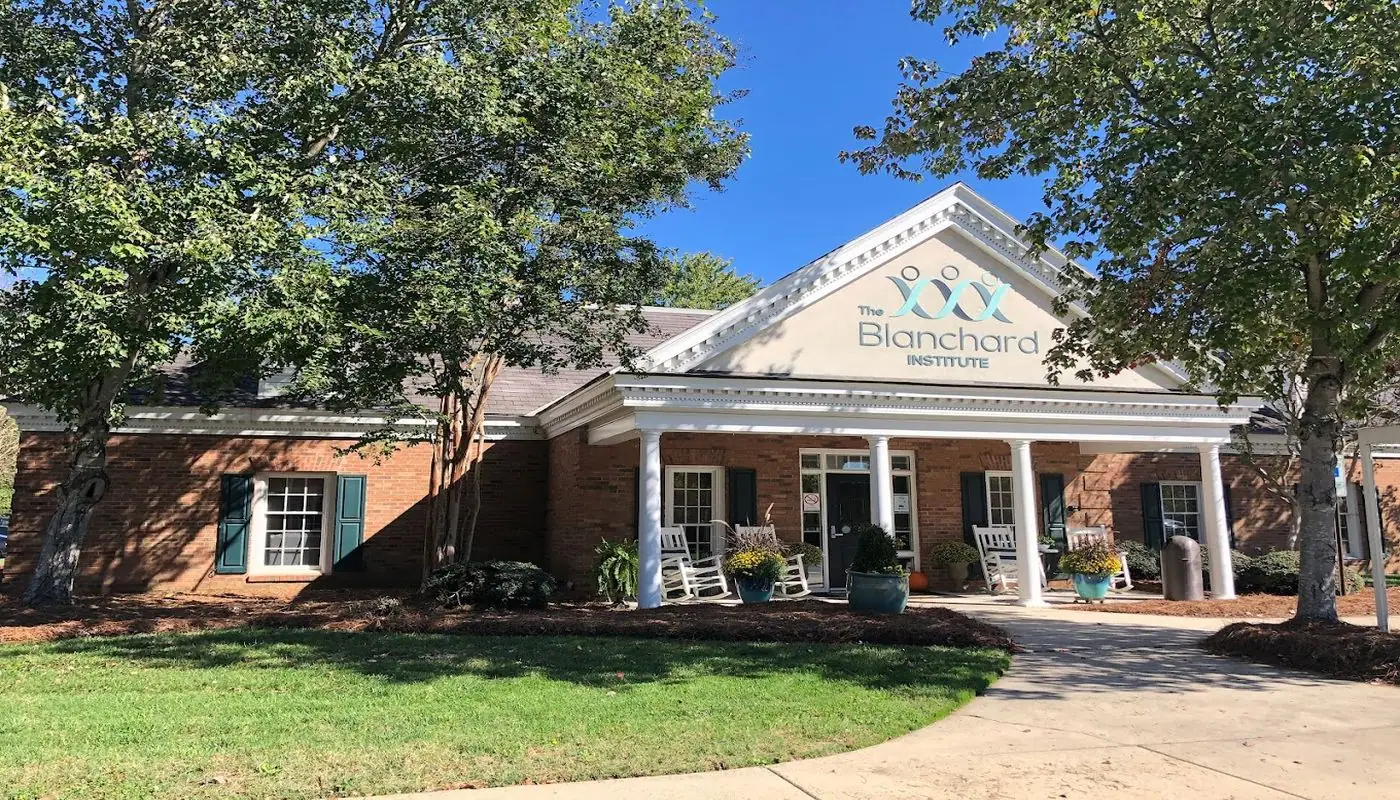
The Blanchard Institute
4.6/5231 Google reviews
- Co-Occurring Mental Health
- Outpatient
The Blanchard Institute Charlotte provides outpatient care for both mental health needs and substance use needs alongside substance misuse.
- 30 days program
-
Charlotte, NC
Grace Healing Journey
- Co-Occurring Mental Health
Grace Healing Journey Charlotte is a small Christian counseling practice in south Charlotte.
- 14+ days program
- 2-5 beds
-
Hillsborough, NC
Hillsborough Comprehensive Treatment
- Outpatient
Hillsborough Comprehensive Treatment Hillsborough provides outpatient care for opioid use disorder.
- 30+ days program
-
Brevard, NC
Tapestry Brevard
- Outpatient
Tapestry Brevard is a treatment center for women located in Brevard, North Carolina.
- 30+ days program
- 16-30 beds

FAQ
What is Focused Addiction Recovery Wallace known for?
This outpatient clinic, which opened in 2021 in Wallace, addresses substance use alongside mental health needs along with substance use in a single setting. Care levels range from partial hospitalization at 3 to 5 days weekly, to intensive outpatient at 3 to 4 days weekly, to standard outpatient therapy, with outpatient detox, DWI support, and aftercare also available. Services are delivered in English and center on evidence-based therapies plus an introduction to 12-step recovery.
Does NC Medicaid pay for inpatient rehab?
Whether Medicaid pays depends on the level of care and the plan, and this clinic offers outpatient rather than inpatient care. North Carolina's Medicaid program administers those benefits, so the plan itself provides the answer. The clinic lists cash pay rates; ask the clinic about insurance directly. The helpline can help you check coverage, with nothing owed or promised.
How long do people stay in this program?
Programs often last 30 days, though the actual length is shaped by the individual and the level of care. Partial hospitalization meets 3 to 5 days weekly, 4 to 6 hours daily; intensive outpatient meets 3 to 4 days weekly, 2 to 4 hours daily. When someone moves down a level, the overall time in treatment may grow longer.
Is outpatient detox safe for alcohol or benzodiazepines?
That call belongs to a clinician, made for one particular person. Coming off alcohol or benzodiazepines can turn medically dangerous, which is why clinician oversight matters and why this clinic assesses people before treatment begins. When the risks are too high for an outpatient setting, a higher level of care is the safer route. Ask how monitoring works before you start.
See if this clinic has an opening
When you call the helpline, trained advisors connect you with licensed treatment providers, at no charge. Advisors can help you ask this clinic about current openings, the appropriate level of care, and what insurance will cover. Nothing is promised about admission or payment until the clinic confirms it. Call at any hour, and remember that finding the right North Carolina rehab starts with a few plain questions rather than a decision made under pressure.